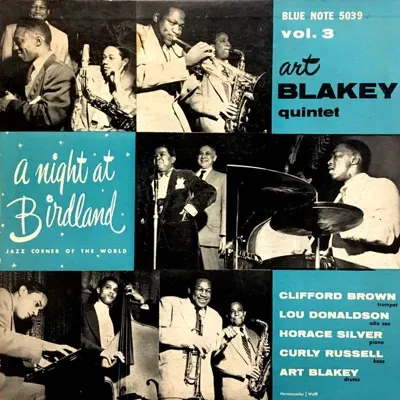
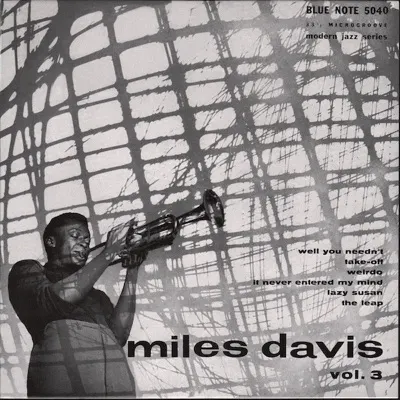
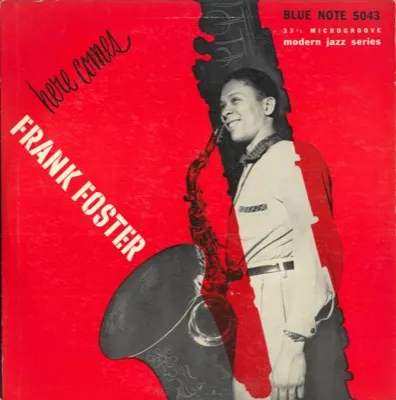
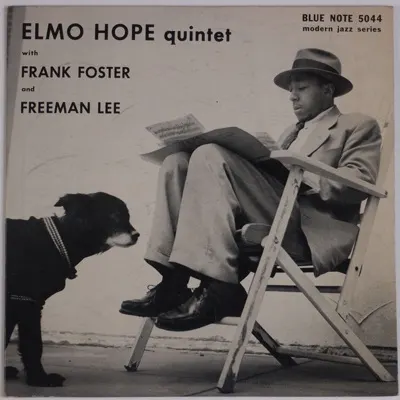
By 1956 Milt Jackson was best known as the vibes player in the Modern Jazz Quartet. This record goes back to the years just before, when Blue Note caught him twice with Thelonious Monk and once with the men who would become the MJQ. Leonard Feather, in the original notes, does not hedge:
On these two sides you will find what are, to my mind, the best records Milt Jackson has ever made.
Leonard Feather, original liner notes
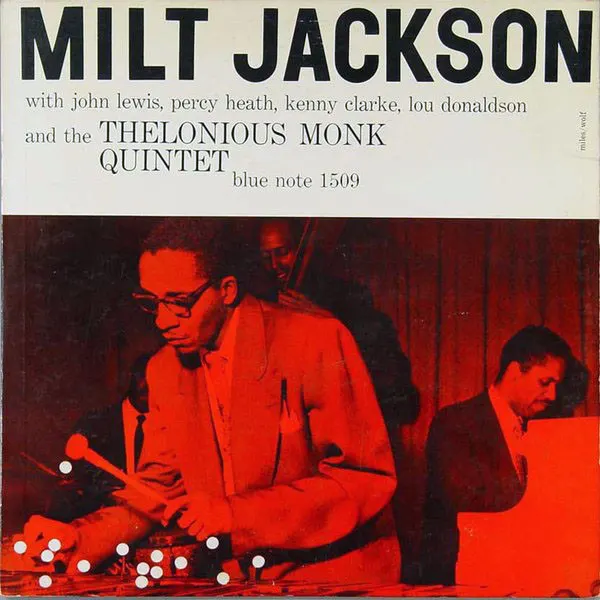
The core of it was a 1952 ten-inch, Wizard of the Vibes (BLP 5011), drawn from two dates. On the 12-inch, Blue Note added two pieces from a third, older one, plus alternate takes, and gave it a new name and a new cover.
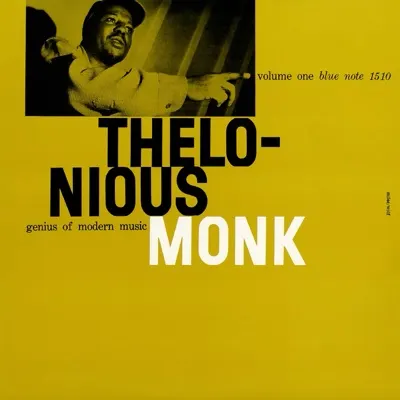
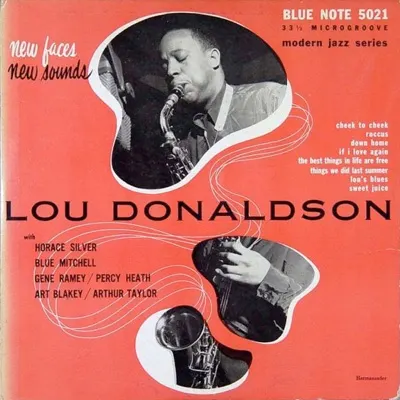
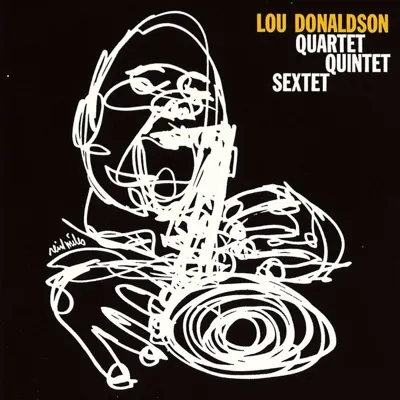
The oldest music is from July 2, 1948, at Apex Studios in New York: Monk, Jackson (credited as Milton), John Simmons on bass and Shadow Wilson on drums. July 23, 1951, at WOR Studios, was Monk's quintet, with Sahib Shihab on alto, Al McKibbon on bass and Art Blakey. April 7, 1952, also at WOR, was Jackson's own date, with John Lewis, Percy Heath and Kenny Clarke, the first MJQ, and Lou Donaldson on alto for some tunes.
Side one is almost all the 1952 session. It opens with "Lillie", Jackson's tune, played by the quartet. "Bags' Groove" is Jackson's medium-tempo blues riff; Feather notes that it had since become a modern jazz standard, and that none of the later versions topped this one. The side closes with "Willow Weep for Me" from 1951, where Monk sets things up before Jackson takes a medium-slow solo. Billboard suggested starting there.
Side two belongs mostly to Monk. "Criss-Cross" and "Eronel" put Shihab's alto and Jackson's vibes in unison on Monk's lines. "Evidence", from 1948, was the one number never out on LP before; Feather hears it as a rewrite of "Just You, Just Me". After a second "Lillie", the record ends on an alternate take of Monk's "Four in One". Feather is clear about who the star is, with Monk or without:
What's more important is that this is Bags' LP, and they are Bags' trustworthy support.
Leonard Feather, original liner notes
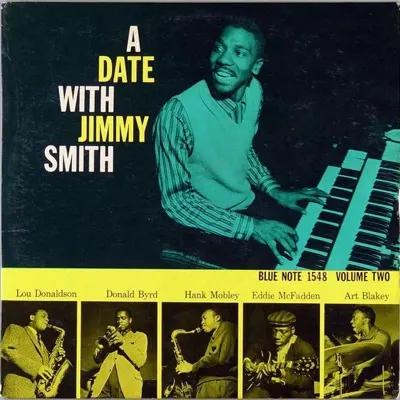
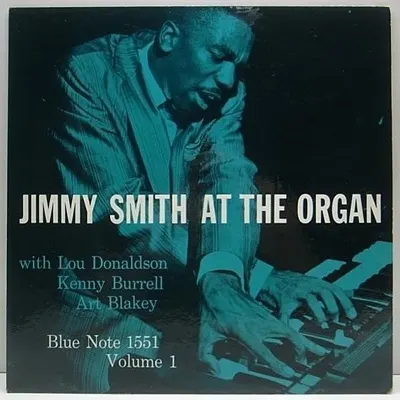
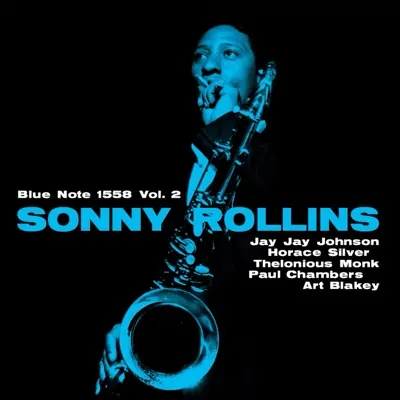
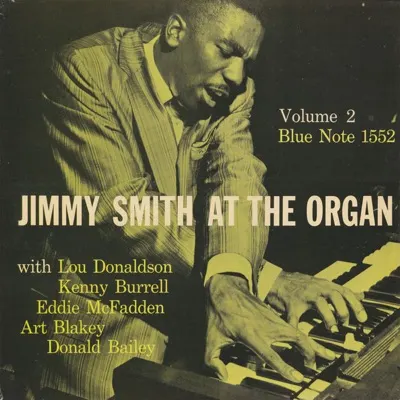
The cover was Reid Miles's design, his first for the label according to Wikipedia, with photography by Francis Wolff.
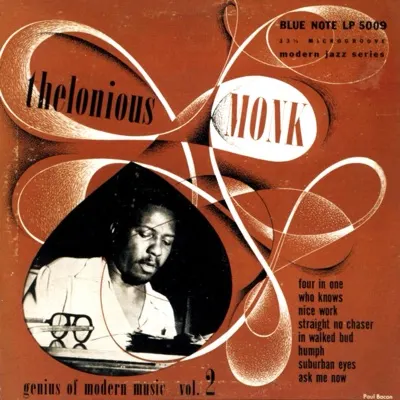
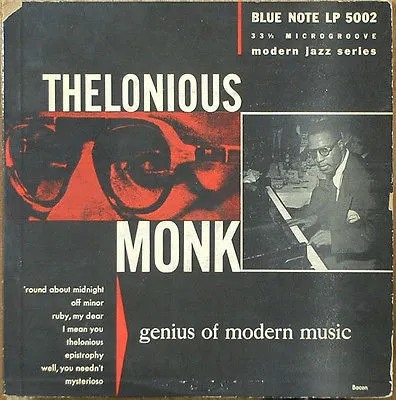
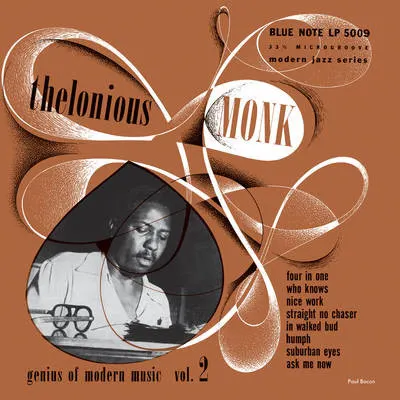
The record kept changing shape. A 1989 CD moved the 1951 Monk tracks to Genius of Modern Music Volume 2 and added the rest of the 1948 and 1952 dates, and in 2001 the music went back out under the old ten-inch title, Wizard of the Vibes.
Sources: Leonard Feather, original liner notes, Blue Note BLP 1509 (1956) · Billboard review (May 12, 1956), quoted on The Jazz Tome · Wikipedia, "Milt Jackson and the Thelonious Monk Quintet" · Jazz Discography Project (jazzdisco.org), Blue Note sessions 1948–1952, via data/blue-note-records.json