J.J. Johnson nearly left music before these records were made. After the 1940s with Benny Carter, Count Basie and Dizzy Gillespie, work dried up, and in August 1952 he took a day job as a blueprint inspector. He came back full time in June 1954, and in the summer of 1955 he won a Down Beat poll. Leonard Feather, in the original notes, points out who heard him first:
Blue Note record fans were way ahead of the critics who awarded Jay Jay this belated crown.
Leonard Feather, original liner notes
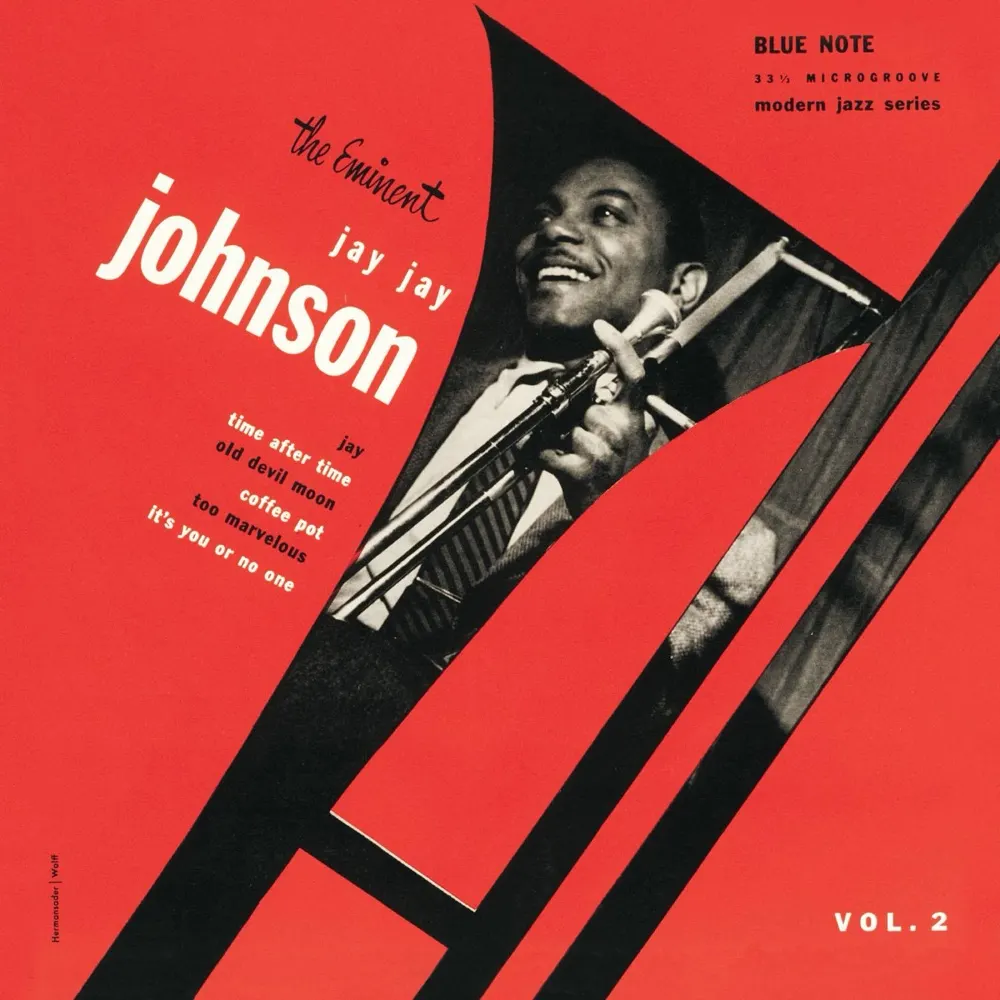
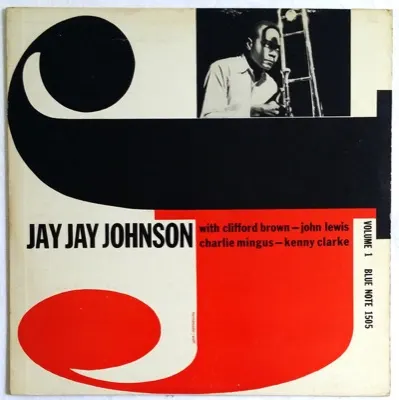
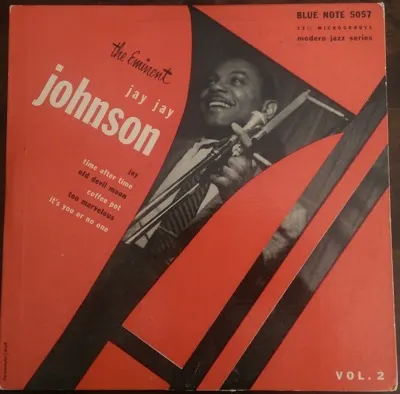
This record and The Eminent Jay Jay Johnson Volume 1 (BLP 1505) are Blue Note's 12-inch repacking of three ten-inch LPs. Billboard, in September 1956, called Volume 2 a reissue of the third ten-inch (BLP 5070) with extra tracks added. Wikipedia's separate "Vol. 2" entry lists the second ten-inch's six 1954 tunes instead.
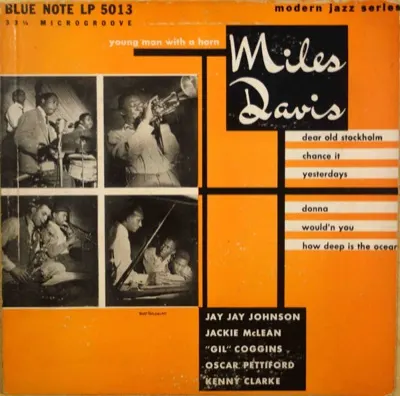
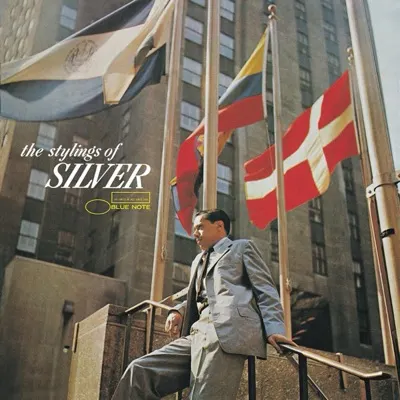
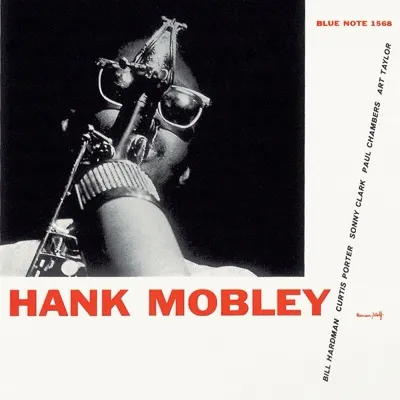
It draws on all three dates, with Kenny Clarke on drums each time. June 22, 1953, at WOR Studios in New York, was a sextet with Clifford Brown, Jimmy Heath, John Lewis and Percy Heath; it gives this record alternate takes of "Turnpike" and "Capri", and "It Could Happen to You", where the horns sit out. September 24, 1954, at Van Gelder's in Hackensack, with Wynton Kelly, Charles Mingus and Sabu Martinez, gives "Time After Time". June 6, 1955, again at Van Gelder's, with Hank Mobley, Horace Silver and Paul Chambers, gives the other six.
Side one opens with the 1955 band. "Daylie" Double is Johnson's tune for the Chicago disc jockey Daddio Daylie, with Johnson and Mobley trading fours with Clarke. "Pennies from Heaven" had been a jazz standard, Feather notes, since Basie recorded it, and he has a word for the tenor player:
Mobley's solo shows unusually fine sense of time and control.
Leonard Feather, original liner notes
The side ends back in 1953, with Brown on the alternate "Turnpike", built on a jumping two-note phrase, and Johnson holding close to the melody of "It Could Happen to You".
Side two starts with "Groovin'", a medium-slow original where Feather thinks Silver almost steals the show with a bluesy solo. "Portrait of Jennie" is a 1948 song that jazz players rarely touched, and Feather teases the title of "Viscosity". The record closes with Gigi Gryce's "Capri".
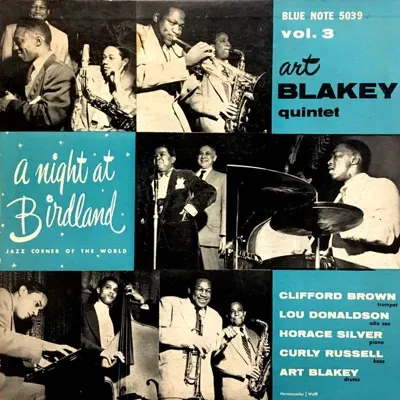
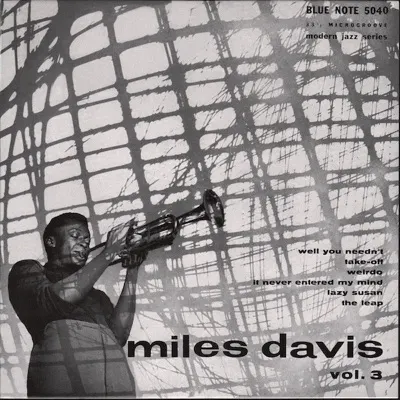
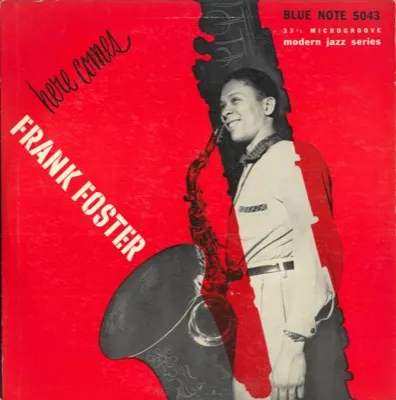
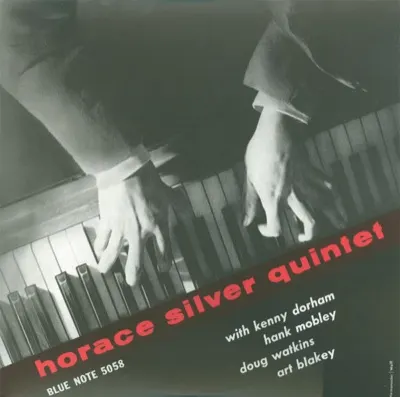
Wikipedia credits the pair's covers to John Hermansader, with photography by Francis Wolff. It also lists Bob Blumenthal for the notes, but his are the CD's; the 1956 notes are Feather's.
Feather notes that Johnson had often worked alongside Kai Winding. In 2001 Blue Note put this music back into its ten-inch groupings on two CDs, each with three more alternate takes.
Sources: Leonard Feather, original liner notes, Blue Note BLP 1506 (1956) · Billboard review (September 8, 1956), quoted on The Jazz Tome · Wikipedia, "The Eminent Jay Jay Johnson, Vols. 1 & 2" · Jazz Discography Project (jazzdisco.org), Blue Note sessions 1953–1955, via data/blue-note-records.json