Art Blakey was 34 and had been around: Fletcher Henderson, Mary Lou Williams, three years in Billy Eckstine's big band. Leonard Feather, in the original notes, puts him beside Max Roach and Kenny Clarke as one of the drummers who took modern jazz past the old patterns. In February 1954 he had a quintet that was not yet called anything, and Alfred Lion recorded it in a nightclub, a venture Feather calls novel.
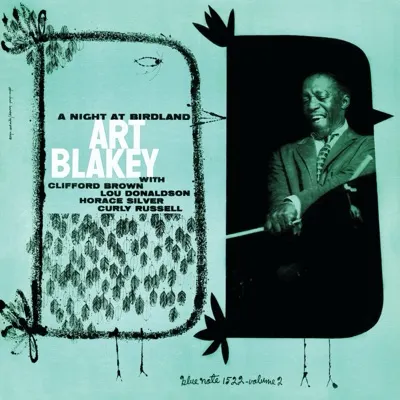
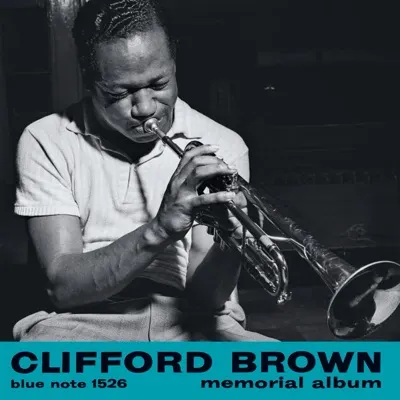
The night was Sunday, February 21, 1954, the eve of Washington's Birthday, at Birdland, the club below street level on Broadway near 52nd Street. Feather says the band played from 11 p.m. to 3 a.m. to a big crowd that was listening. Rudy Van Gelder made the recording, and Feather thanks the manager, Oscar Goodstein, for letting it happen. Clifford Brown played trumpet and Lou Donaldson alto, with Horace Silver on piano and Curly Russell on bass. The night left 20 items on tape, announcements included. This record has five of them, and A Night at Birdland Volume 2 (BLP 1522) five more.
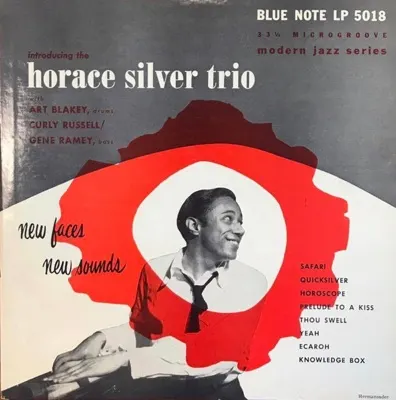
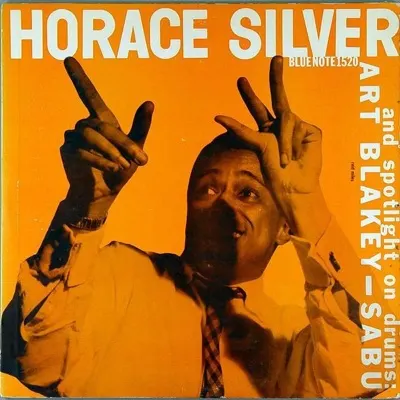
It opens with the voice of Pee Wee Marquette, Birdland's tiny master of ceremonies, bringing on the band. Then comes "Split Kick," a Silver tune he first wrote and recorded with Stan Getz. "Once in a While" is Brown's ballad, a lyrical flight in Feather's words. "Quicksilver" is Silver's again; Feather calls it a band version of a piano solo on BLP 1520, but the session listing has Silver's trio version on the 10-inch BLP 5018, and it was left off BLP 1520. On "A Night in Tunisia," Blakey tells the room he was there when Dizzy Gillespie wrote it, in Texas, on the bottom of a garbage can. The record closes with "Mayreh," another Silver line laid over the chords of a familiar song.
Feather says the music works because the band came prepared and still played free, without solos that went on too long. Of his three ingredients, preparation, improvisation and inspiration, one counts most.
And the greatest of these three is inspiration.
Leonard Feather, original liner notes
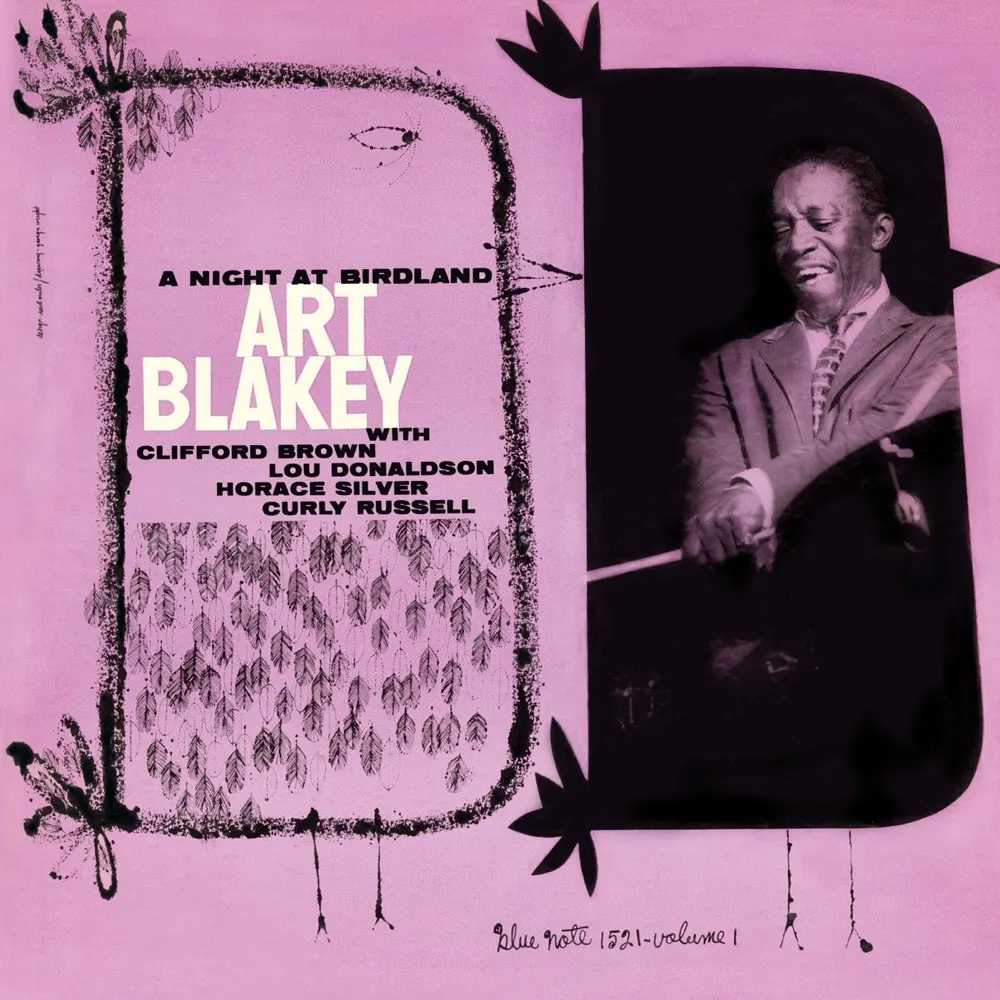
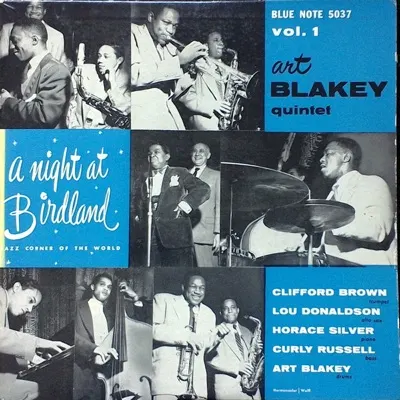
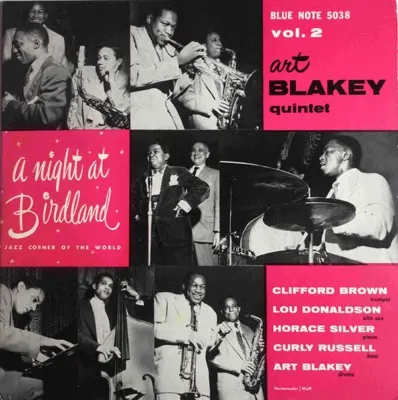
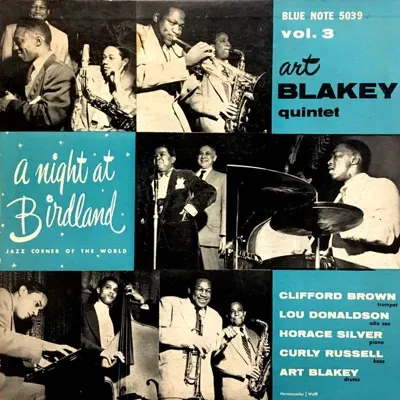
The night first came out on three 10-inch LPs, BLP 5037 to 5039, in 1954, which is why sources date the album both 1954 and 1956; Billboard reviewed this 12-inch in September 1956. For the 12-inch, Reid Miles made a new cover around a Francis Wolff photograph.
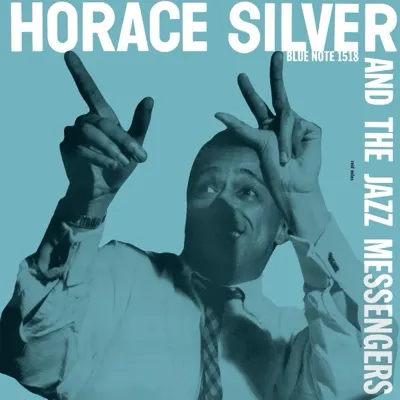
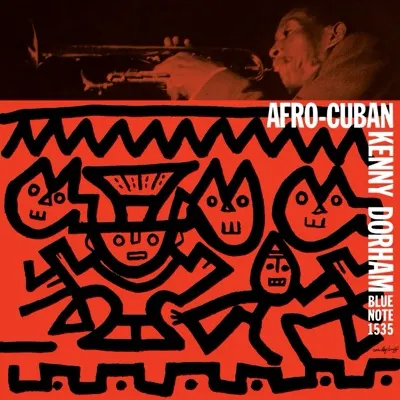
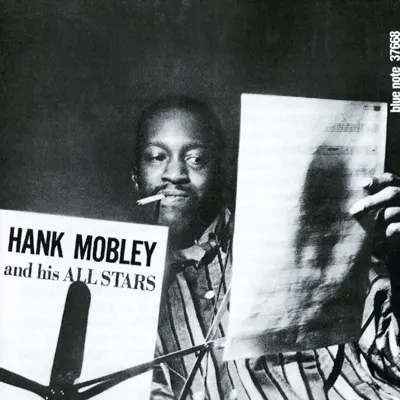
Michael Fortuna, writing in All About Jazz, put it simply: "Blakey and company had clicked that night at Birdland." Brown soon went west to join Max Roach. By November, Blakey and Silver were in Hackensack with Kenny Dorham and Hank Mobley, the band about to be called the Jazz Messengers (BLP 1518).