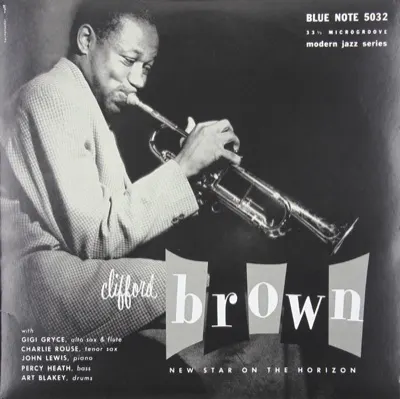
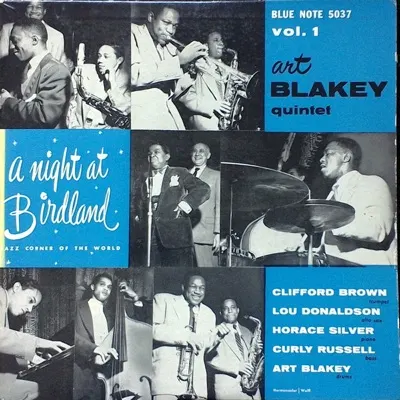
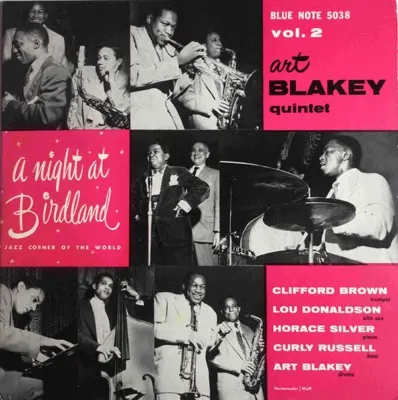
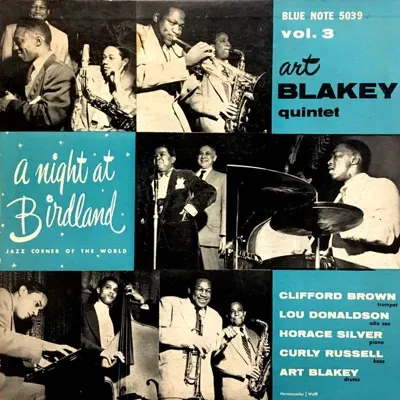
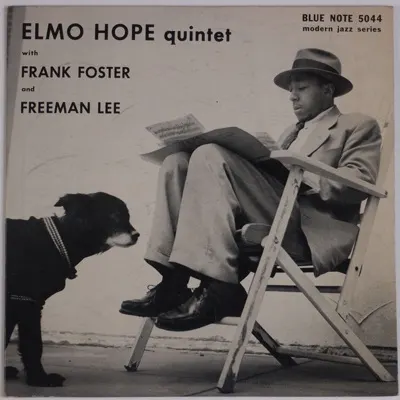
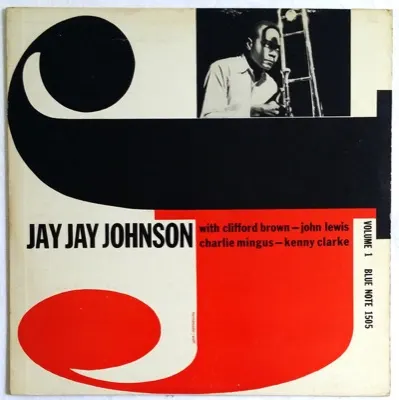
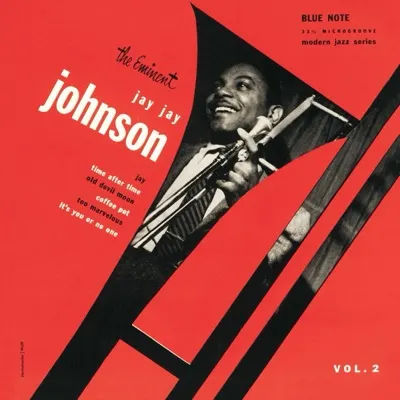
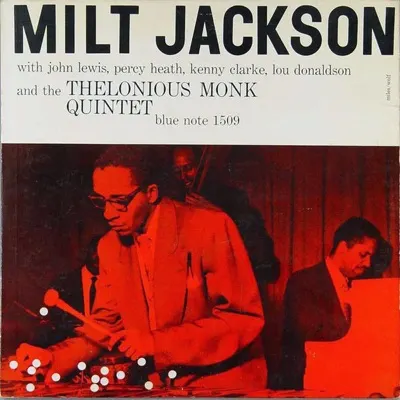
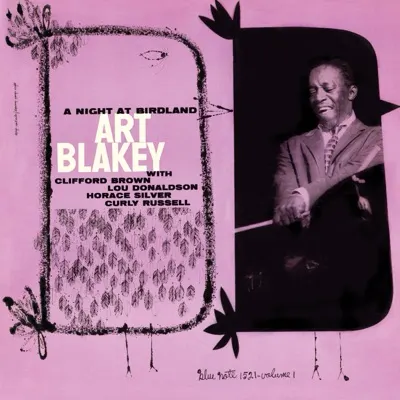
In the small hours of June 26, 1956, Clifford Brown's car skidded off the highway on the way to a Chicago club that, as it happens, was also called the Blue Note. He was four months short of his 26th birthday. Blue Note put this record out that September. Leonard Feather opens the original notes this way:
It seems that in jazz the good, especially if they play trumpet, die young.
Leonard Feather, original liner notes
Brown was from Wilmington, Delaware. His father gave him his first trumpet in 1945, and a local musician, Robert Lowery, showed him how jazz harmony worked. Fats Navarro was his great model. A car crash in 1950 cost him a year, and Dizzy Gillespie urged him back. By the end of 1953 he had worked with Tadd Dameron and Lionel Hampton, and the next year he won the Down Beat critics' poll as new star before going west to form a band with Max Roach.
This record goes back to 1953, before the Roach years. It joins two Blue Note dates first issued on two 10-inch LPs. Wikipedia notes that, apart from a few obscure recordings, they hold the first tracks Brown made as a leader.
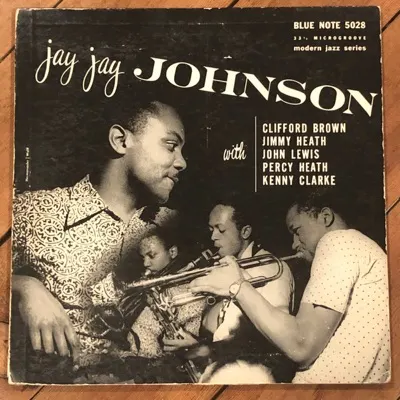
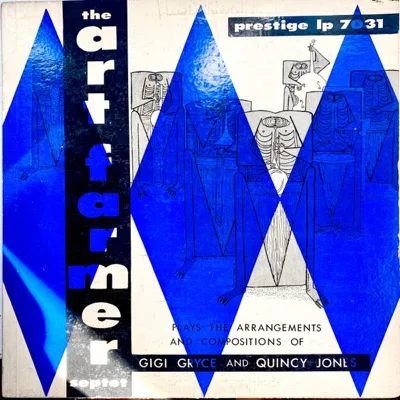
Side one is Friday, August 28, 1953, at Audio-Video Studios in New York: Gigi Gryce on alto and flute, Charlie Rouse on tenor, John Lewis on piano, Percy Heath on bass and Art Blakey on drums. It opens with Gryce's "Hymn of the Orient," brisk and minor, and Feather points to the second and third choruses of Brown's solo.
This passage, 65 seconds long, was to us a major highlight of the entire LP.
Leonard Feather, original liner notes
"Easy Living" is a ballad, with a delicate introduction from Lewis. "Minor Mood" is Brown's own, at a moderate pace. "Cherokee" goes at a racehorse tempo, with Blakey and Brown trading fours, and Quincy Jones's "Wail Bait" closes the side.
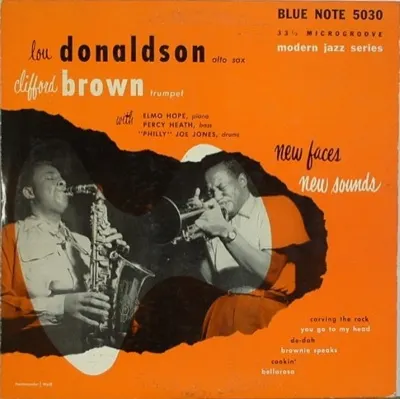
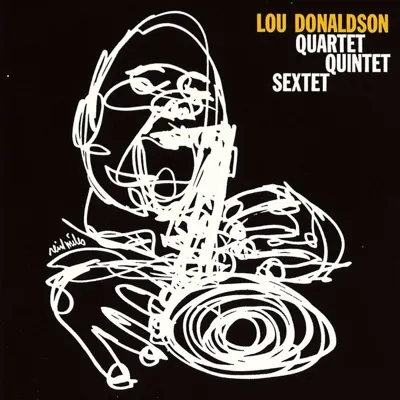
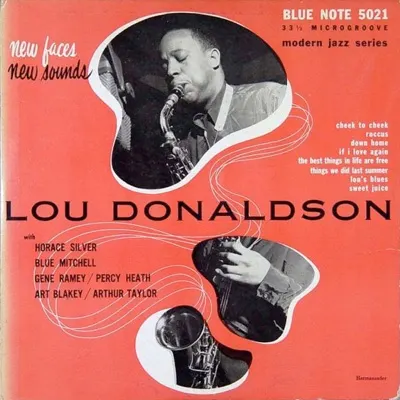
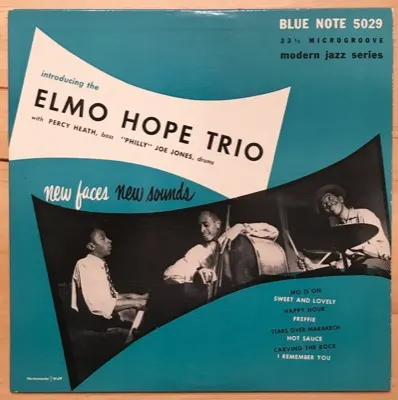
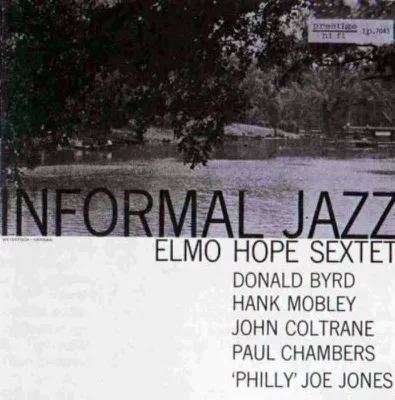
Side two is Tuesday, June 9, 1953, at WOR Studios, a quintet co-led with Lou Donaldson, with Elmo Hope on piano, Heath on bass and Philly Joe Jones on drums. "Brownie Speaks" is Brown's theme: he states it, then takes three choruses in a clipped, staccato way. Hope's "De-Dah," Donaldson's "Cookin'," the ballad "You Go to My Head" and "Carvin' the Rock" follow.
Francis Wolff is credited with the photography.
The LP left two tunes behind, "Bellarosa" and "Brownie Eyes," and several alternate takes; the 2001 CD put both dates back in order, complete. Bob Blumenthal, in the notes for that reissue, as quoted by Wikipedia, wrote that the sessions "helped introduce trumpeter Clifford Brown to the world."
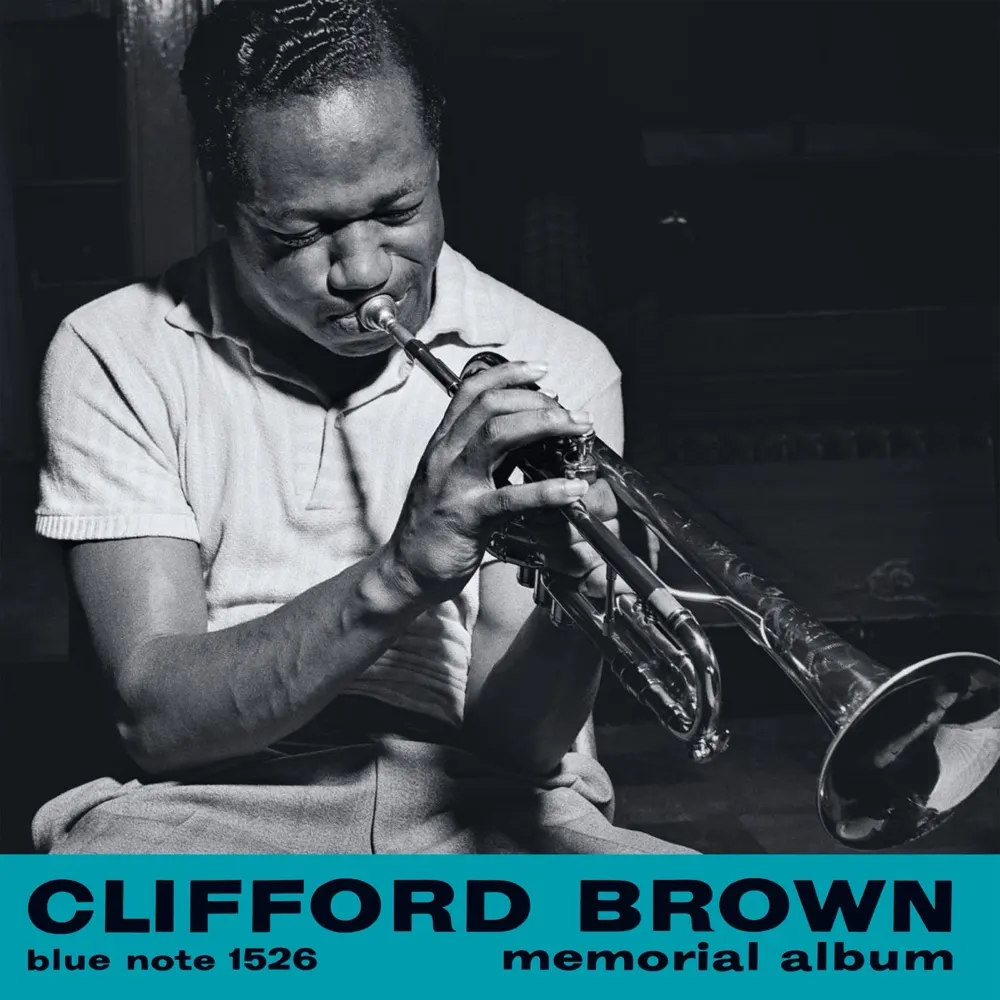
 Clifford Brown – trumpet
 Lou Donaldson – alto sax
 Percy Heath – bass
 Philly Joe Jones – drums
 John Lewis – piano
 Art Blakey – drums