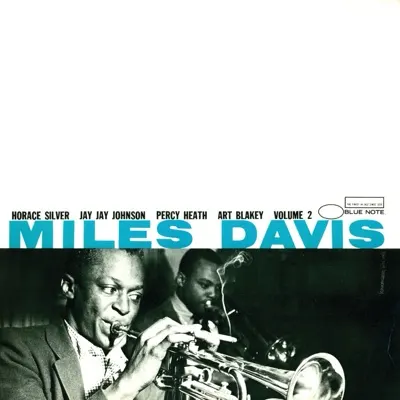
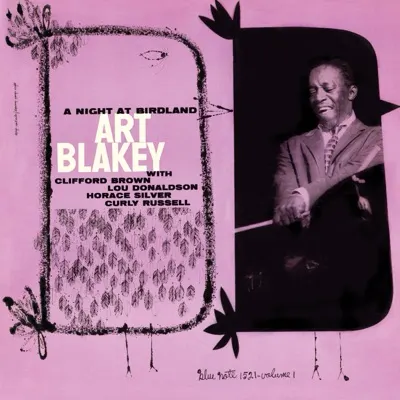
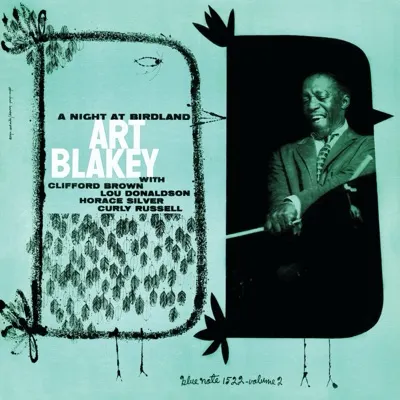
Most people first heard Horace Silver with Stan Getz. Ira Gitler, in the original notes, tells how Getz found him in 1950 in a small club in Hartford, Connecticut. By 1952 Silver was in New York, and Alfred Lion gave him a trio date. Two years later he won the New Star award in Down Beat's critics' poll.
Talent will always shine if someone will only open the curtain.
Ira Gitler, original liner notes
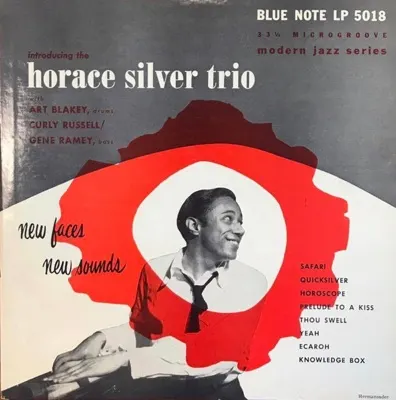
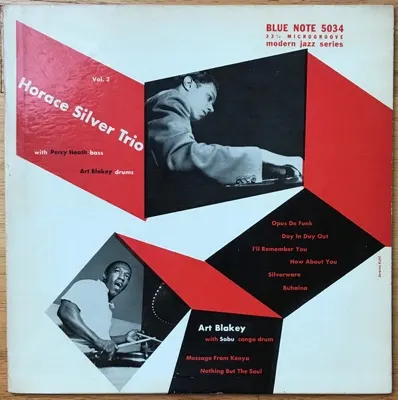
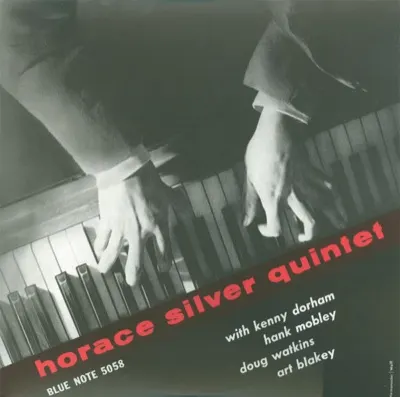
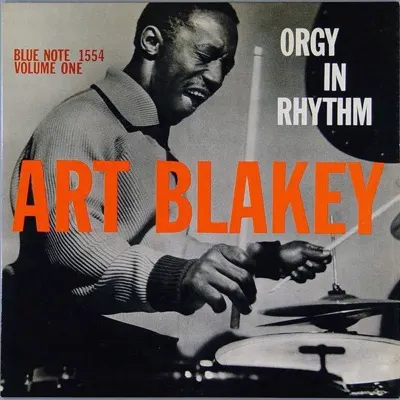
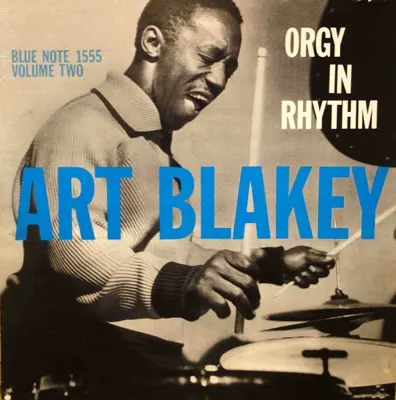
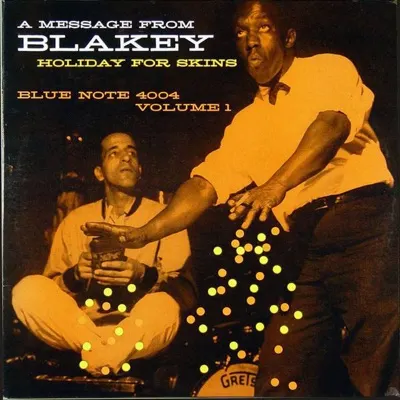
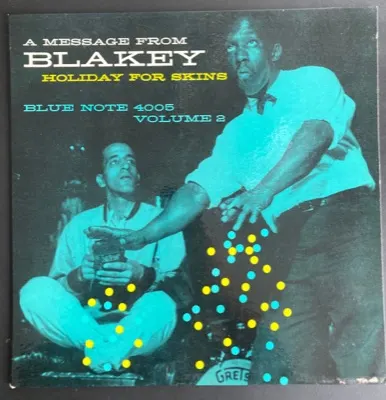
This record gathers Silver's first three dates as a leader, all at WOR Studios in New York, with Art Blakey on drums each time. On October 9, 1952, Gene Ramey played bass; on October 20 it was Curly Russell. Those two days filled the 10-inch Introducing the Horace Silver Trio. On November 23, 1953, Percy Heath came in on bass, and Sabu Martinez brought his congas for one track. That day became a second 10-inch, with Blakey's name beside Silver's. The 12-inch leaves out four tunes from the two, "Quicksilver" and "Thou Swell" among them.
Side one opens with "Safari," which Gitler hears as North African, with Blakey's drums talking in his solo. "Ecaroh," Horace spelled backwards, has two themes, one to open and one to close. Silver also takes Ellington's "Prelude to a Kiss," with Russell bowing. "Message From Kenya" is a duet with Sabu, a story Leonard Feather says Blakey got from Moses Mann, a Nigerian drummer: a hunter, his kill and a girl. Feather adds that Sabu was 24 and had held Chano Pozo's chair in Dizzy Gillespie's last big band.
Side two is all from the 1953 date. Gitler notes that Silver swings "How About You" rather than lingering on it, hears a more searching side in "I Remember You," and calls "Opus de Funk" the heart of what Silver believed in. Blakey gets the floor again on "Nothing But the Soul," which Feather introduces plainly:
On the other drum number, Nothing But The Soul, Art is alone.
Leonard Feather, original liner notes
Feather says Blakey keeps to the beat, building and holding it, with no showing off.
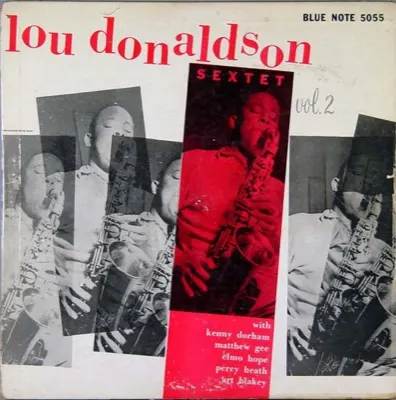
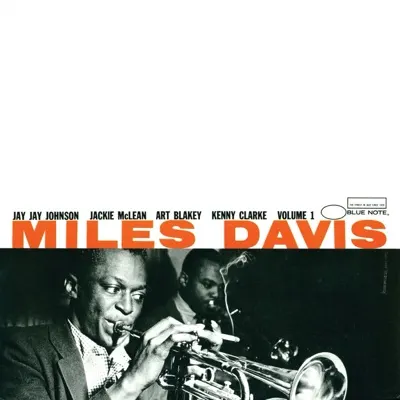
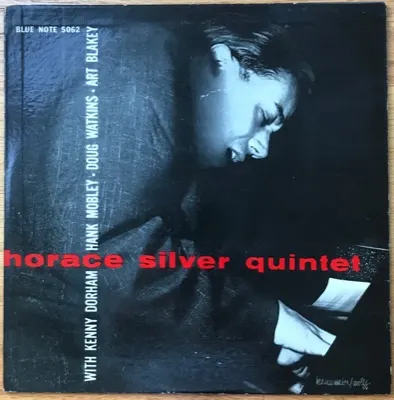
The 12-inch sleeve is Reid Miles's design with a Francis Wolff photograph; the two 10-inch covers were by John Hermansader and Jerome Kuhl.
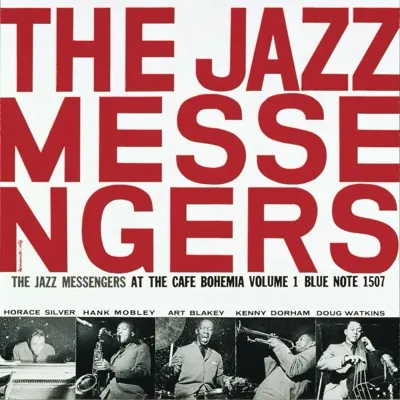
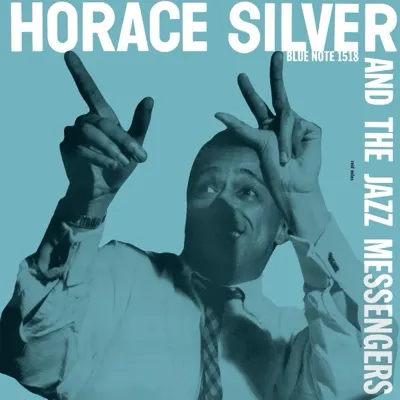
The 12-inch came out in October 1956, the same month as Horace Silver and the Jazz Messengers (BLP 1518), which Gitler points to for what Silver did next: the same drummer, now with two horns.
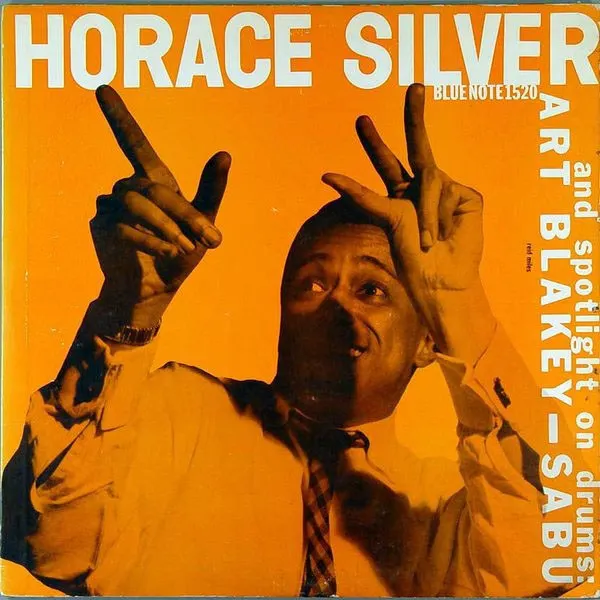
 Horace Silver – piano
 Art Blakey – drums
 Curley Russell – bass
 Percy Heath – bass