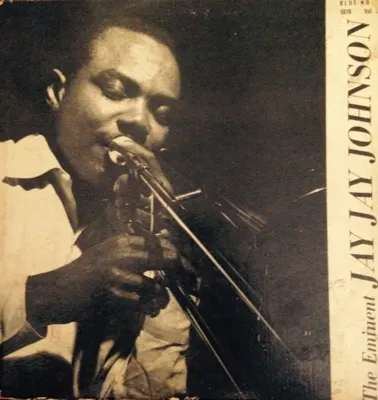
J.J. Johnson won the Down Beat poll on trombone in 1955, nine years after Esquire had named him the instrument's new star of 1946. Leonard Feather, in the original notes, thinks the label's customers got there first.
Blue Note record fans were way ahead of the critics who awarded Jay Jay this belated crown.
Leonard Feather, original liner notes
Born James Louis Johnson in Indianapolis, he had played with Benny Carter, Count Basie and Illinois Jacquet. In 1952, Feather writes, Johnson stepped away from music and took a job as a blueprint inspector at a Sperry factory on Long Island. He was still working there when he made the first session on this record. He went back to playing full time in June 1954.
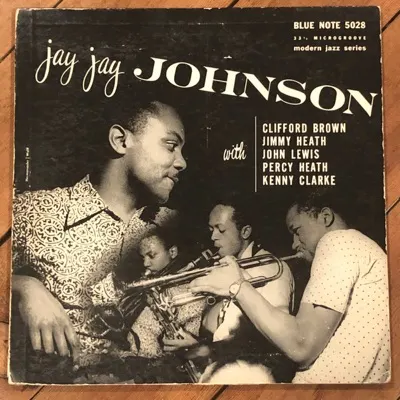
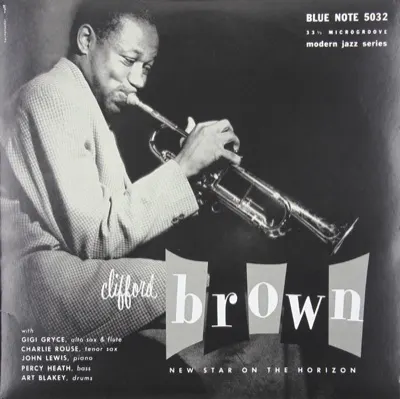
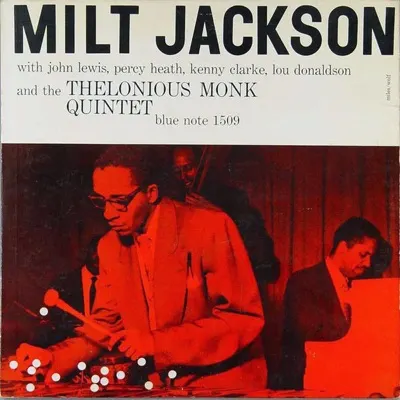
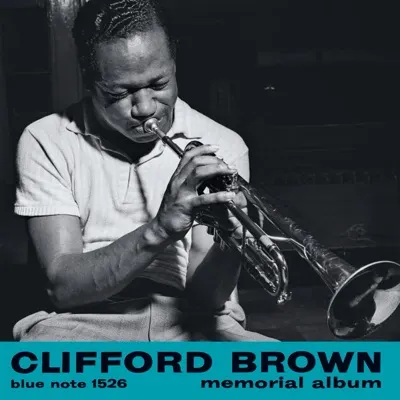
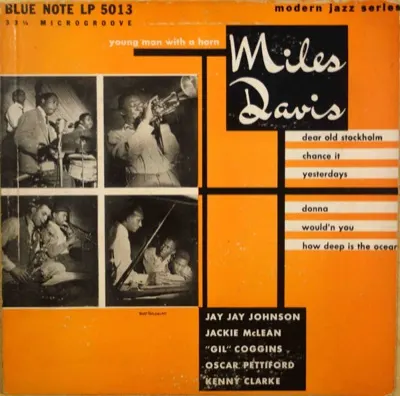
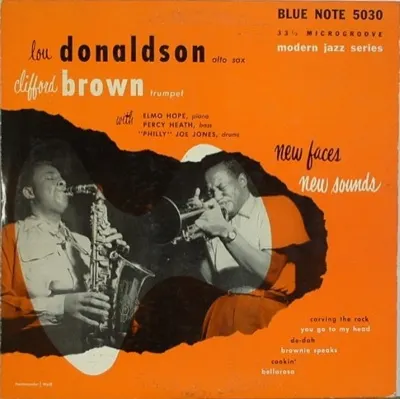
That first date was June 22, 1953, at WOR Studios in New York, with Doug Hawkins engineering and Alfred Lion producing. Johnson led a sextet with Clifford Brown on trumpet, Jimmy Heath on tenor and baritone, John Lewis on piano, Percy Heath on bass and Kenny Clarke on drums. Michael Shera, reviewing the record in Jazz Journal in 1961, called it one of Brown's earliest dates. The second was September 24, 1954, at Rudy Van Gelder's in Hackensack: Johnson as the only horn, with Wynton Kelly on piano, Charles Mingus on bass, Clarke again, and Sabu Martinez on conga.
Side one is the sextet. Johnson's "Turnpike," Feather writes, is built on a simple, jumping two-note phrase, and Brown's second chorus runs on cycle-of-fifths changes. "Lover Man" is a trombone feature. On Harold Arlen's "Get Happy," Johnson and Lewis each take two choruses. Lewis wrote "Sketch One," with Heath's baritone set against the brass, and "Capri" is by Gigi Gryce. AllMusic's Scott Yanow, writing about the whole record, gives the date to the trumpeter:
Clifford Brown largely steals the show.
Scott Yanow, AllMusic
Side two is the quintet. It opens with Johnson's "Jay," a fast blues that changes key, and moves to "Old Devil Moon," from Finian's Rainbow, where Mingus sets up the opening vamp. "It's You or No One" and "Too Marvelous for Words" follow, the latter built on breaks for the drums and conga, and Johnson's "Coffee Pot" closes the record.
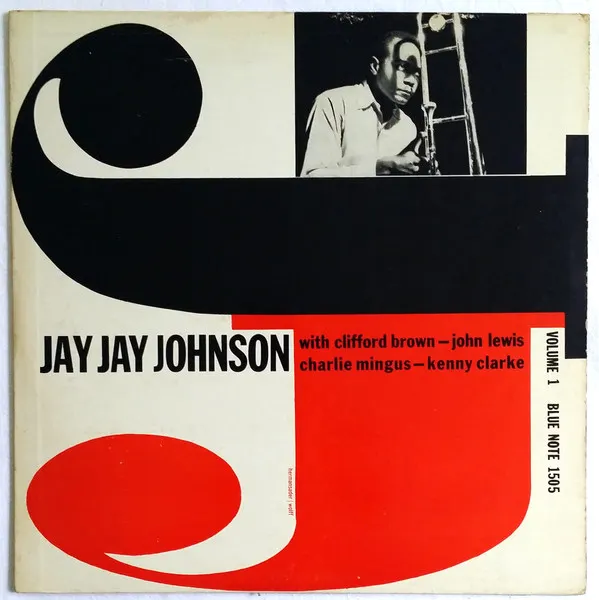
Wikipedia credits John Hermansader with the sleeve design and Francis Wolff with the photography.
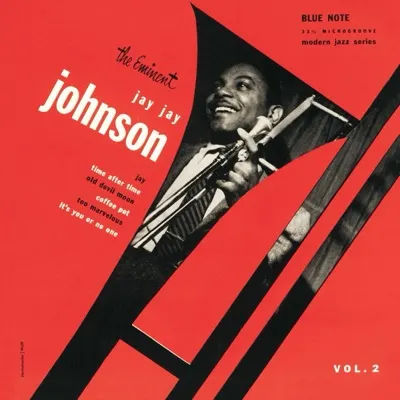
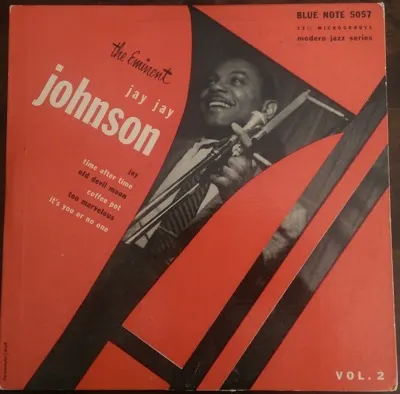
The sextet's "It Could Happen to You," two of its alternate takes, and the quintet's "Time After Time" went to Volume 2, along with a June 6, 1955 session with Hank Mobley and Horace Silver. The Jazz Tome prints Feather's notes for this LP, while Wikipedia's credits name Bob Blumenthal, who wrote the notes for the 2001 reissue.
Sources: Leonard Feather, original liner notes, Blue Note BLP 1505 (1956) · Michael Shera, Jazz Journal review (November 1961), reprinted on The Jazz Tome · Wikipedia, "The Eminent Jay Jay Johnson, Vols. 1 & 2" · Jazz Discography Project (jazzdisco.org), Blue Note sessions of June 22, 1953 and September 24, 1954, via data/blue-note-records.json