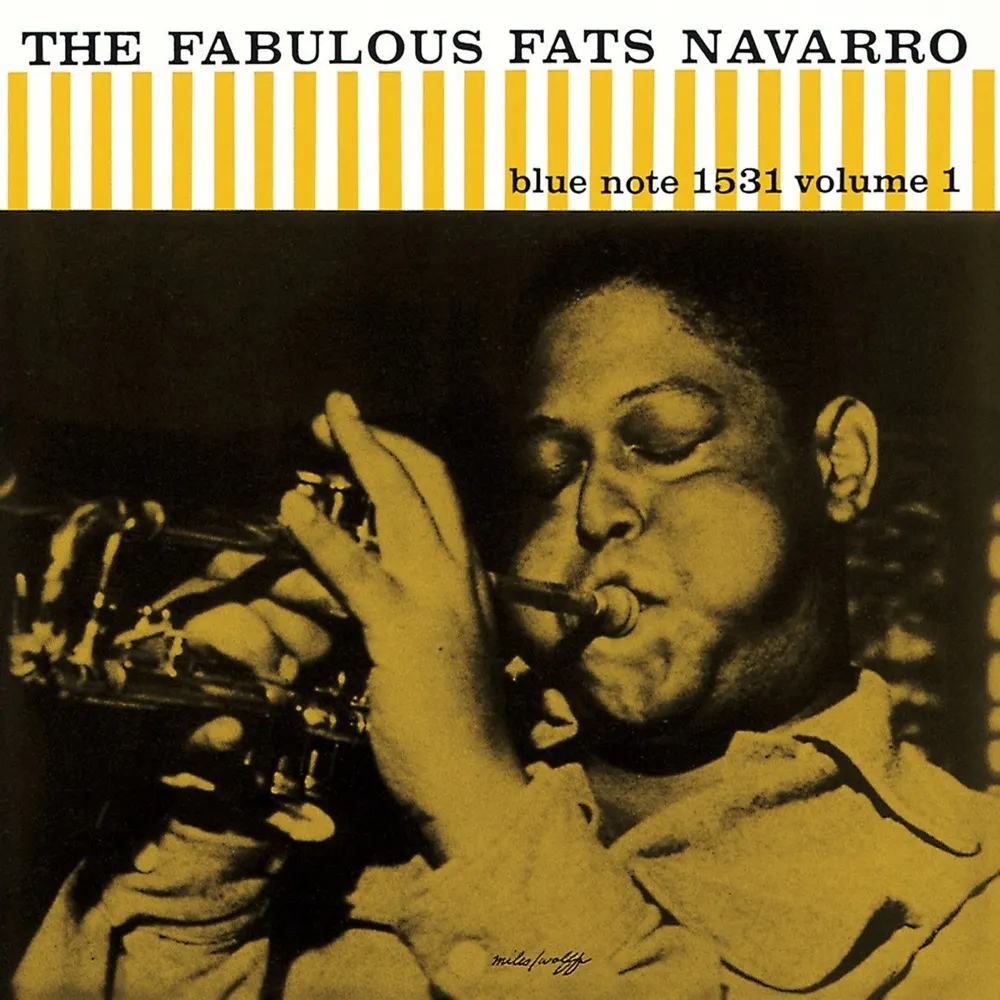
Fats Navarro had been dead almost seven years when this came out. Theodore Navarro was born in Key West, Florida, in 1923, and took up the trumpet at 13. Leonard Feather, in the original notes, follows him from Snookum Russell's territory band to Andy Kirk, and then to Billy Eckstine's band, where he took Dizzy Gillespie's chair on Gillespie's own word. By 1948 he was the trumpeter in Tadd Dameron's band. He died in a New York hospital in the summer of 1950, at 26, of tuberculosis made worse by heroin.
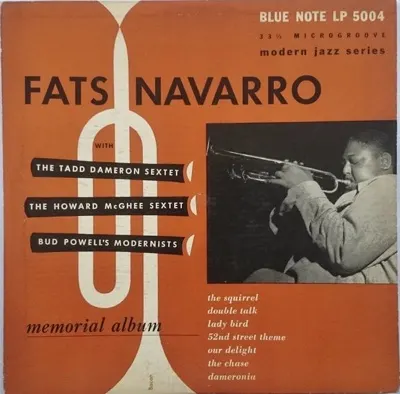
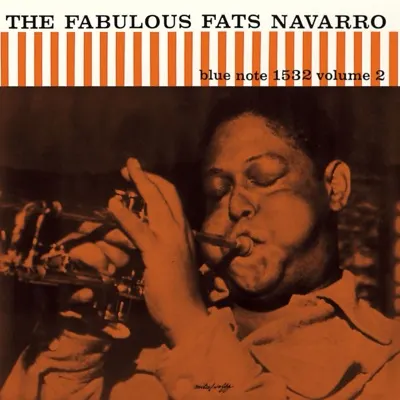
Blue Note had first gathered the issued takes on a 10-inch Fats Navarro Memorial Album (BLP 5004). In 1957 the label spread them over two 12-inch LPs, with alternate takes nobody had heard. This first volume draws on three dates.
The main one is Friday, September 26, 1947, at WOR Studios in New York. Dameron led a sextet: Navarro, Ernie Henry on alto, Charlie Rouse on tenor, Nelson Boyd on bass and Shadow Wilson on drums. They cut four of Dameron's tunes, "The Chase," "The Squirrel," "Our Delight" and "Dameronia," two takes of each, and all eight are here. Feather writes that Dameron played what is called "arranger's piano," and that his themes gave the soloists a simple frame that never boxed them in. Gerald Lascelles, reviewing the record in Jazz Journal in 1961, singled out Rouse's solos on both versions of "Our Delight."
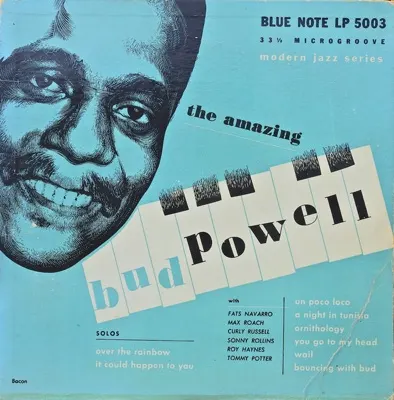
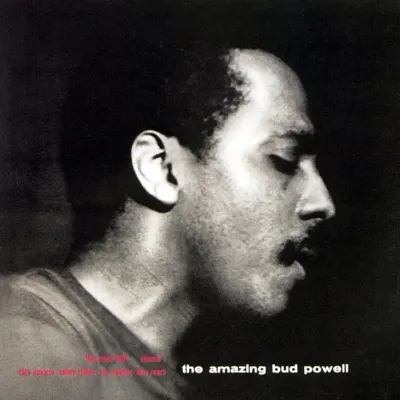
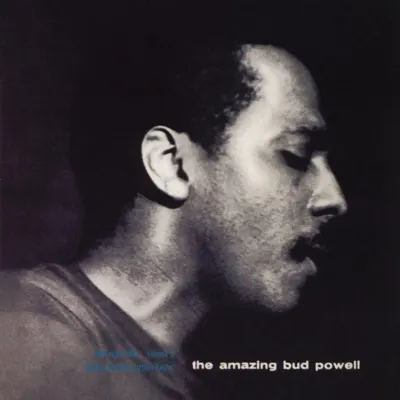
"Double Talk" comes from Monday, October 11, 1948, at Apex Studios: Navarro and Howard McGhee on trumpets, with Henry, Milt Jackson, Curley Russell and Kenny Clarke. Two more tracks are from Tuesday, August 9, 1949, back at WOR, with Bud Powell's Modernists: Sonny Rollins, Tommy Potter and Roy Haynes. The issued takes of "Wail" and "Bouncing with Bud" had gone to The Amazing Bud Powell (BLP 1503); here are the other ones. Feather found Powell's playing on "Wail" astonishing, and heard in Rollins, still young, a big tone and a solid style. The Jazz Tome's listing dates that session August 8; the Jazz Discography Project has August 9.
Feather tells one story from those years. At a jam session at the Three Deuces, Powell needled Navarro, who swung his horn at him, missed, and bent it against the piano. The friendship, Feather says, survived. He ends on what might have been:
how formidably his impact could have been felt today, had he been spared to remain a living part of the world of jazz
Leonard Feather, original liner notes
The Penguin Guide to Jazz later called the two volumes one of the peaks of bebop. The rest of the sessions, including the 1948 Dameron septet, are on Volume 2 (BLP 1532).
 Fats Navarro – trumpet
 Tadd Dameron – piano
 Shadow Wilson – drums
 Howard McGhee – trumpet
 Milt Jackson – vibes, piano
 Curley Russell – bass
 Kenny Clarke – drums
 Bud Powell – piano
 Sonny Rollins – tenor sax
 Tommy Potter – bass
 Roy Haynes – drums