Louis Smith was 26, a trumpeter from Memphis. He had studied music at Tennessee State and the University of Michigan, served in the Army, and settled in Atlanta, where he taught and led his own groups. His first record as a leader, Here Comes Louis Smith, had been made for the small Boston label Transition and taken over by Blue Note as BLP 1584. This was his second.
Robert Levin, in the original notes, draws a line from Dizzy Gillespie through Fats Navarro and Miles Davis to Clifford Brown, who tried to join the hot and the lyrical sides of modern trumpet. Levin puts Smith among the young players carrying that on, and credits him with "a good depth of musical intelligence".
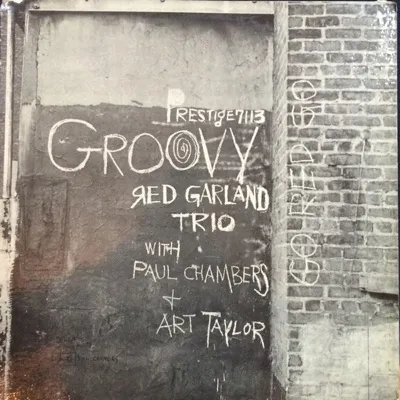
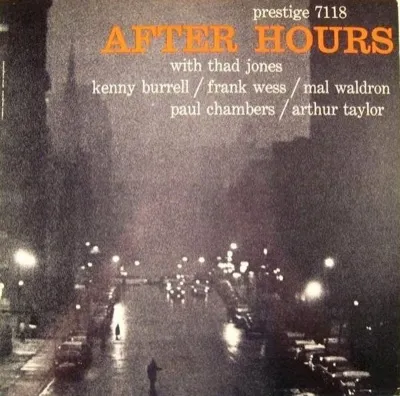
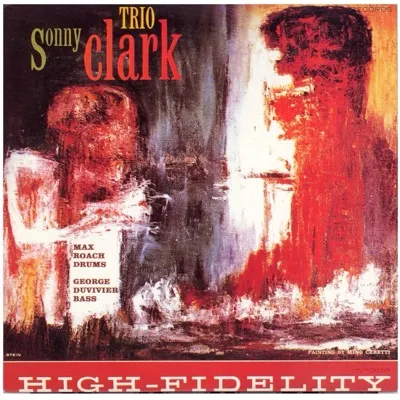
The date was Sunday, March 30, 1958, at Rudy Van Gelder's in Hackensack, with Alfred Lion producing. Charlie Rouse played tenor. Levin notes his year with Duke Ellington. Sonny Clark was on piano, Paul Chambers on bass, and Art Taylor on drums. Seven takes were made that day, and five made the record.
Side one is Smith's own. "Smithville" runs over 11 minutes. Smith states the theme, and Rouse, Clark and Chambers follow him.
a blues that might make Horace Silver envious
Robert Levin, original liner notes
"Wetu" is the other long one. Rouse, Smith and Clark solo, and Chambers takes his turn with the bow. Side two opens with Gershwin's "Embraceable You," which Levin says puts Smith in a more lyrical role; Clark plays a short interlude, and Rouse comes in quietly near the end. "There Will Never Be Another You" and Smith's "Later" give all five players room to stretch out.
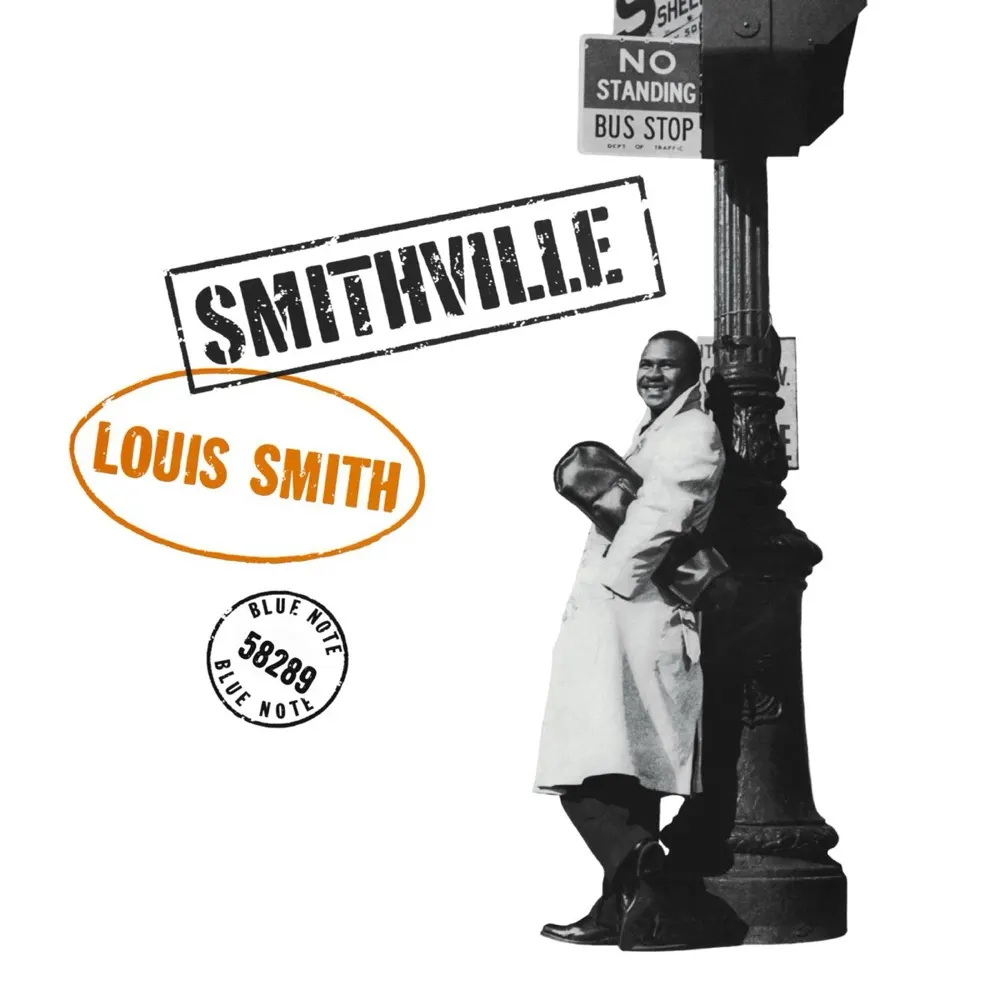
The sleeve is Reid Miles's design, with a photograph by Frank Wolff.
The reviews in 1958 were mixed. Billboard gave it two stars, and Down Beat's John A. Tynan, giving three, thought Smith fell short of Brown's originality and rated the record mostly for Rouse and the rhythm section. Later listeners were warmer. Stephen Thomas Erlewine, at AllMusic, called it
a first-rate hard bop set that deserves wider distribution than it has received.
Stephen Thomas Erlewine, AllMusic, quoted on Wikipedia
The two tunes left over, Charlie Parker's "Au Privave" and Smith's "Bakin'," stayed in the vault until a Japanese Blue Note set in 1984. Levin expected Smith to join Horace Silver that June in place of Art Farmer, and he played with Silver at Newport that summer. Six weeks after this date he was on Kenny Burrell's Blue Lights session. It was his last record for Blue Note. He went back to teaching, in Atlanta and later in Ann Arbor.
 Paul Chambers – bass
 Art Taylor – drums