In the summer of 1956, Ira Gitler met Joe Segal of Chicago at Blue Note's office, and the two walked across town talking about the Chicago scene. Gitler, in the original notes, admits he knew few of the names Segal mentioned. One was an alto player called John Jenkins.
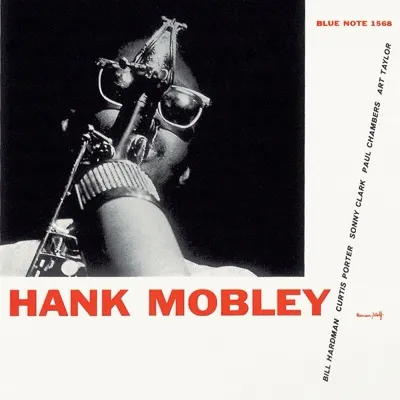
Jenkins was born in Chicago on January 3, 1931. Like Johnny Griffin and Clifford Jordan, he came through Captain Walter Dyett's music program at Du Sable High. He started on clarinet and moved to alto about six months later. From 1949 he played the sessions Segal ran at Roosevelt College, and local clubs like the Bee Hive, for about seven years. He came to New York in March 1957, worked briefly with Charles Mingus, and turned up on a Hank Mobley date for Blue Note. Gitler's verdict on that debut:
He had emerged from the vast unknown.
Ira Gitler, original liner notes
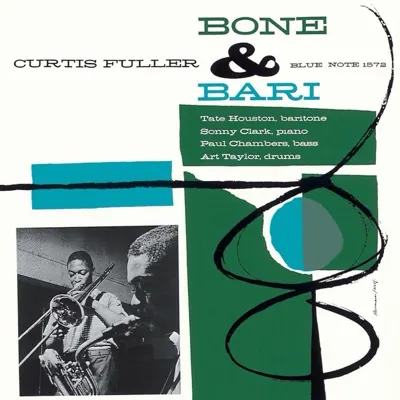
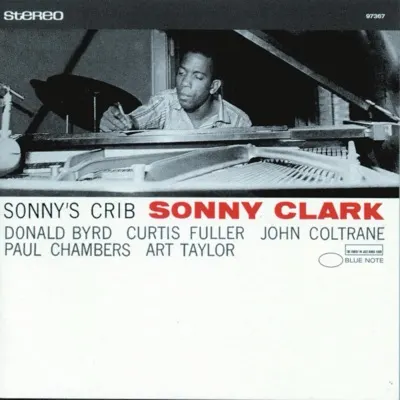
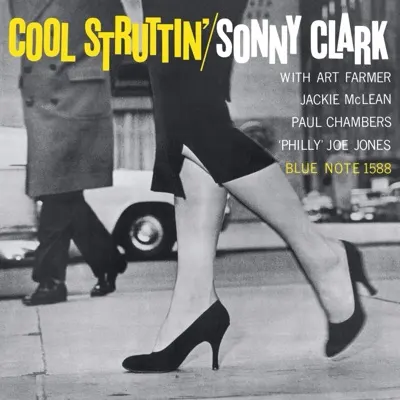
This was his first record as a leader. The date was Sunday, August 11, 1957, at Van Gelder's in Hackensack, with Alfred Lion producing. Kenny Burrell played guitar. Sonny Clark and Paul Chambers had been in the same room a week earlier for Curtis Fuller. Gitler writes that it was Clark's first recording in several years, though he had led his own Blue Note date in July and played on Fuller's the Sunday before. On drums was Dannie Richmond, another Mingus man, who until recently had been
a tenor man mired in the wilds of rock and roll.
Ira Gitler, original liner notes
Eight takes were made, and six tunes went on the record. Alto and guitar often share the themes in unison.
Side one opens with Cole Porter's "From This Moment On," which Jenkins had wanted to record since hearing Ella Fitzgerald sing it; he has the melody and Burrell harmonizes the bridge. "Motif" is a Jenkins original built on blues choruses with an eight-bar bridge. For a ballad, he picked "Everything I Have Is Yours," one he felt jazz players had not worn out.
Side two is all originals. "Sharon" is named for Jenkins's daughter. "Chalumeau" takes its name from the low register of the clarinet, his first instrument, and sets alto and guitar in counterpoint, with Clark taking the breaks. Burrell's "Blues for Two" closes the record, and everyone solos, Richmond included. Gitler hears Charlie Parker most of all in Jenkins's playing, with a little Jackie McLean.
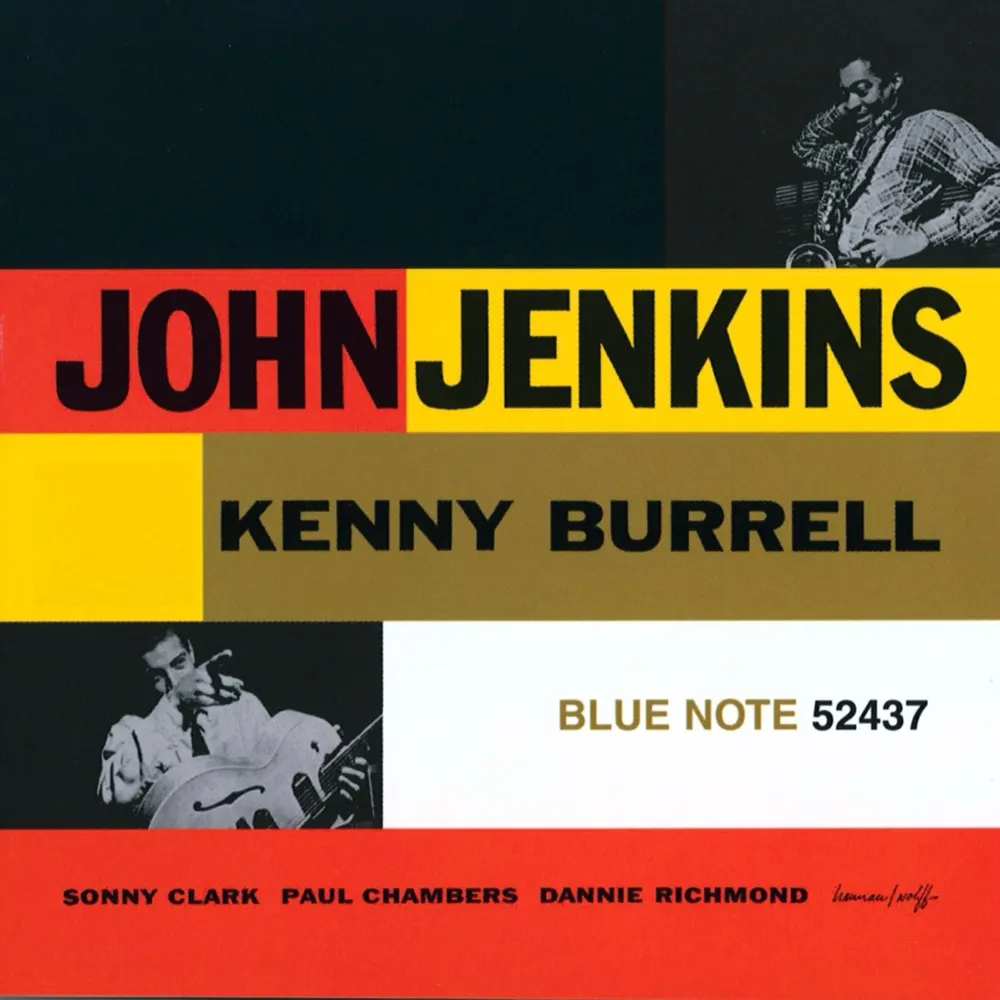
The sleeve was designed by Tom Hannan around a Francis Wolff photograph. Wikipedia lists the catalog number as BLP 1537, but the record is BLP 1573.
Alternate takes of "Sharon" and "Chalumeau" waited for the CD. It is Jenkins's last Blue Note date in our listings; Burrell was back with his own septet nine months later.