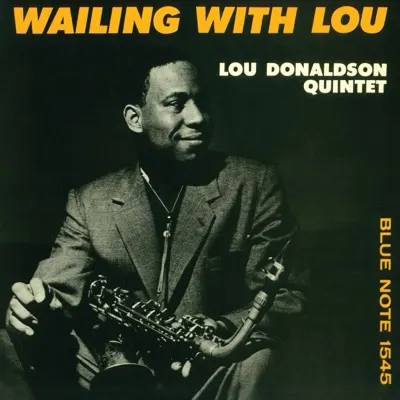
Lou Donaldson had been making Blue Note records for years by 1957, and he was known as an alto player in the Charlie Parker line. His last album for the label had been Wailing with Lou (BLP 1545). For this one he kept the same pianist and added a conga player. Ira Gitler, in the original notes, says a test pressing reached him with a note from Alfred Lion attached:
The best Lou Donaldson I ever recorded…
Alfred Lion, quoted in Ira Gitler's original liner notes
The date was Sunday, June 9, 1957, at Van Gelder's in Hackensack, with Lion producing. Herman Foster played piano. Gitler tells us Foster had been blind since birth and first took to the piano in grammar school, when a girl taught him a hymn; Wailing with Lou had been his first record. Peck Morrison played bass and Dave Bailey drums. Both had played in Gerry Mulligan's group, where Bailey had been the regular drummer since 1955. Ray Barretto, on conga, had worked with Latin bands around New York but liked jazz groups better. Eight takes were logged, and seven made the record.
Side one opens with "Dorothy," a tune by the drummer Rudy Nichols, who had played with Charles Mingus and Teddy Charles. On the ballad "I Won't Cry Anymore," Gitler credits Barretto with adding drive to the rhythm section. "Herman's Mambo" is Foster's tune. "Peck Time" is a Donaldson blues built on a phrase from "Swinging on a Star," one he was known to quote.
Side two starts with "There Will Never Be Another You," a ballad with Foster close behind. On Donaldson's "Groove Junction," Barretto and Bailey trade drum passages before the last theme. "Grits and Gravy" is a down-home blues that opens with Morrison alone, then Donaldson and Foster solo. Gitler says Barretto sits this one out; the session listing has him on every tune of the day.
Gitler's verdict was simple.
Lou has reached a new level of performance; it's a high one.
Ira Gitler, original liner notes
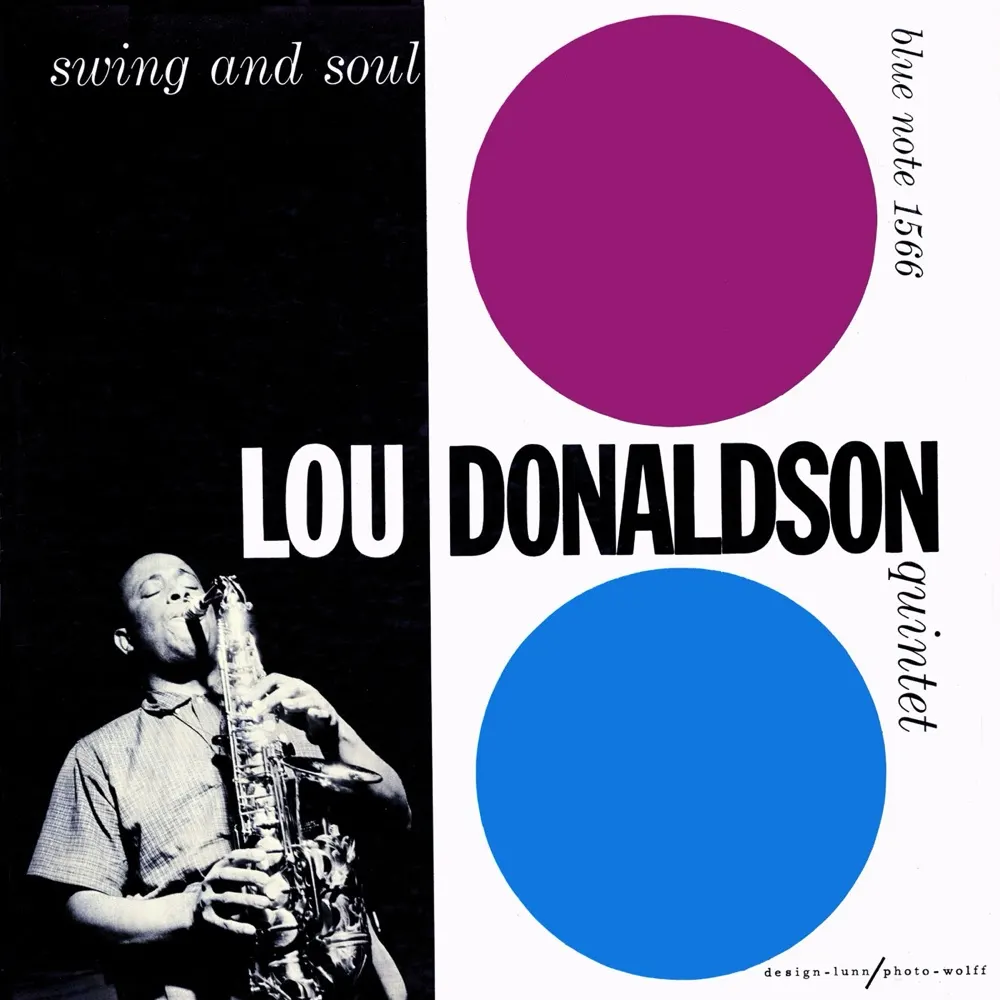
The sleeve is Reid Miles's design, with photography by Francis Wolff.
The critics mostly agreed. In reviews collected on The Jazz Tome, Metronome and the American Record Guide ranked it with his best, and Down Beat gave it four stars. Donaldson was back on a Blue Note date six months later with a sextet, and in July 1958 the whole quintet, Barretto included, returned for another record.
 Lou Donaldson – alto sax
 Ray Barretto – conga