Jutta Hipp was a German pianist, born in Leipzig, and Leonard Feather was the reason she was in New York. He had heard her about two years earlier in a crowded cellar club in Duisburg. Letters followed, and with help from a New York lawyer and her family the visa came through. She landed on November 18, 1955.
Jutta Hipp had arrived in America.
Leonard Feather, original liner notes
Feather writes that the city overwhelmed her at first. She spent weeks indoors with the television and Horace Silver's records. Then she met Silver at the Bohemia, and her playing moved from the Lennie Tristano sound of her German records toward something warmer and harder-swinging.
Jutta realized that she was not the only new pianist on the jazz scene.
Leonard Feather, original liner notes
The job that got her going was at the Hickory House on West 52nd Street, long a meeting place for American jazz stars. Wikipedia says she stayed about six months, at a club used to booking acts by the week. Feather credits the press agent Joe Morgen with helping her settle in, and the owners, the Popkin brothers, with helping make the record.
The night was Thursday, April 5, 1956. Feather says two whole LPs were taped in one evening at the club, with Rudy Van Gelder engineering. The trio was Peter Ind, an English bassist who had worked with Tristano and Lee Konitz, and Ed Thigpen, a Chicago drummer and the son of Ben Thigpen of Andy Kirk's band. The night gave Blue Note 20 tunes, 10 for each volume.
Side one runs from "Take Me in Your Arms" to "Lady Bird." Feather points to "Dear Old Stockholm," the Swedish folk song, and Charlie Parker's "Billie's Bounce." Whitney Balliett, in the Saturday Review, admired her first chorus on "Billie's Bounce," and Nat Hentoff, in Down Beat, called it the best of her funkier side. Side two, from "Mad About the Boy" to "The Moon Was Yellow," left Hentoff cooler. He found "Jeepers Creepers" and "Ain't Misbehavin'" a little stiff, and gave the record three stars.
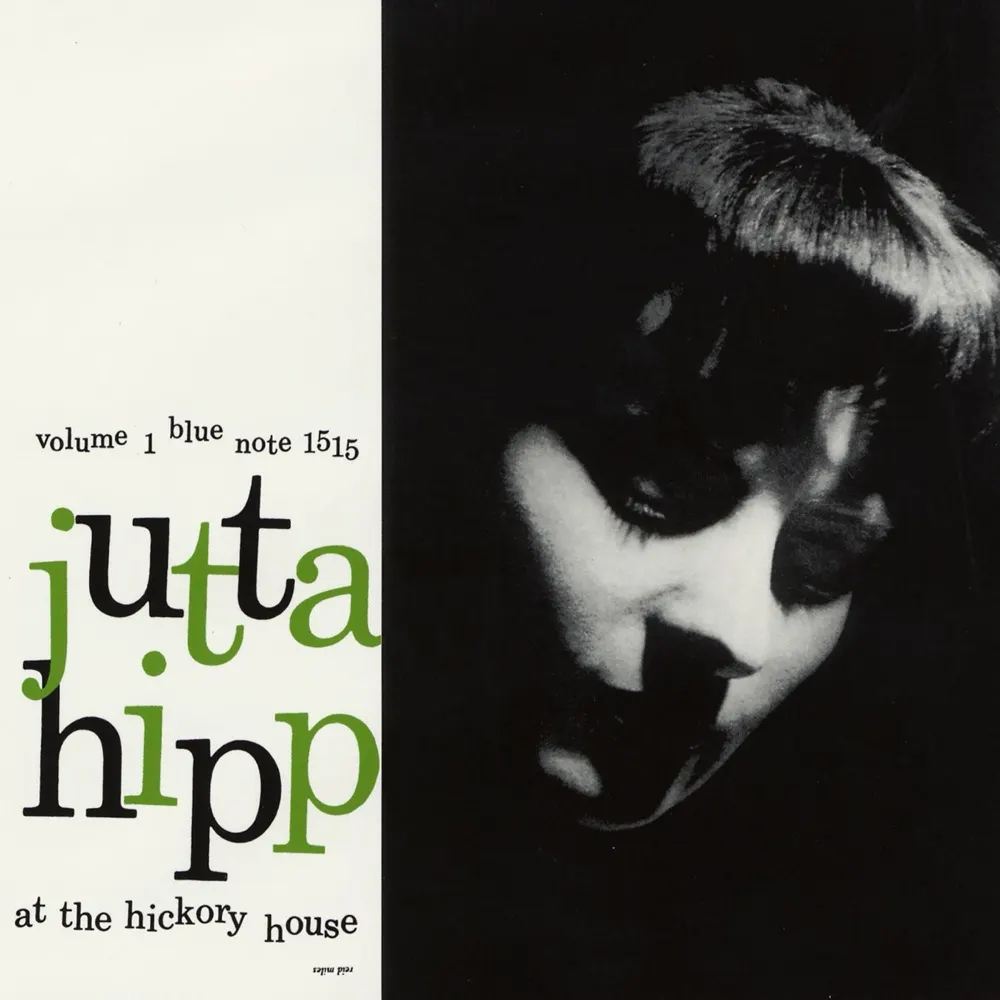
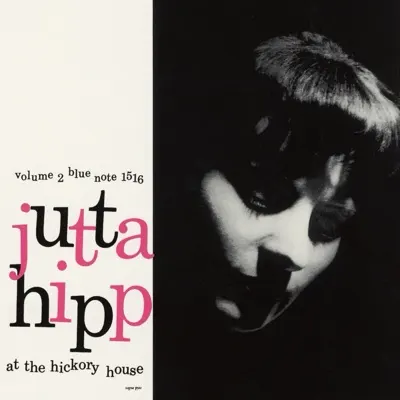
The sleeve is Reid Miles's design with a Francis Wolff photograph, as Wikipedia credits it. Hentoff liked the cover and the sound.
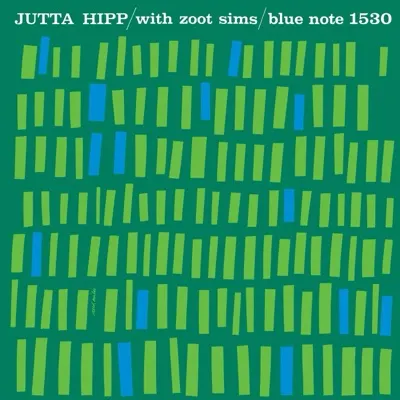
The rest of the night went to Volume 2. That summer Hipp was back on Blue Note with Zoot Sims.