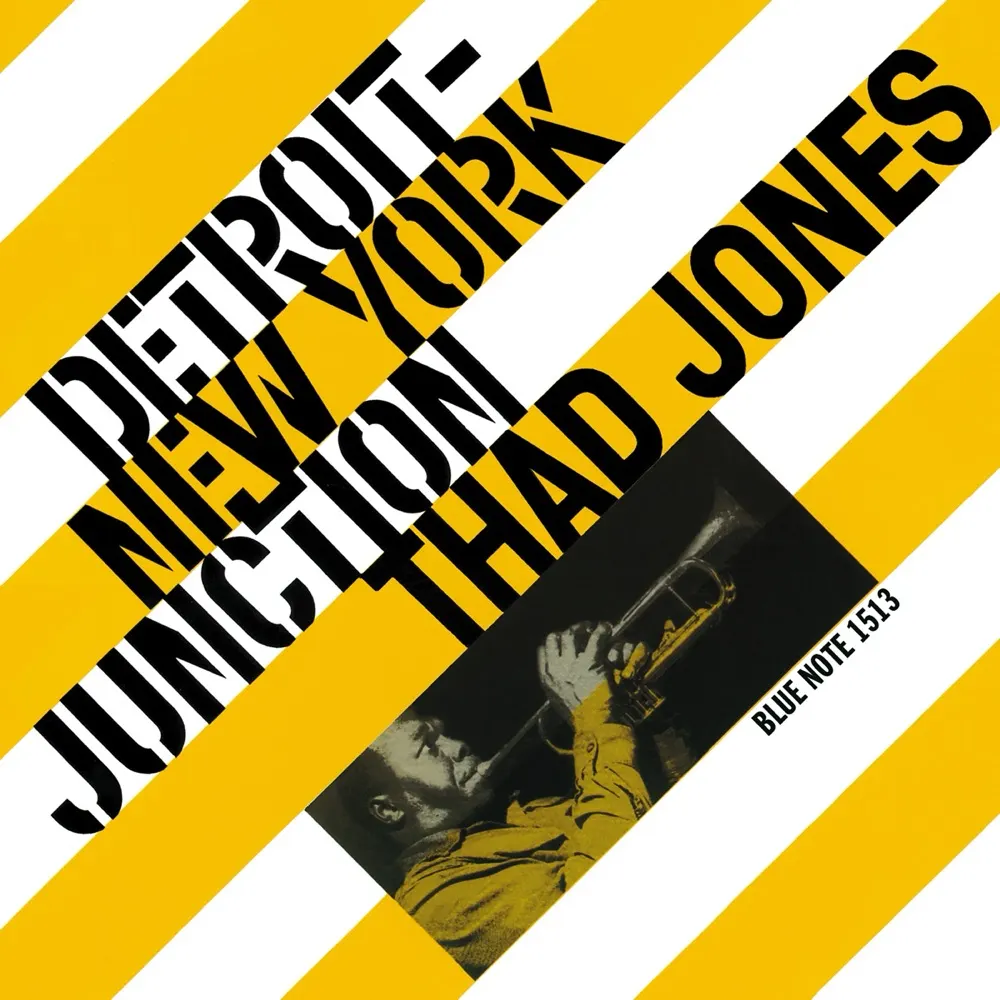
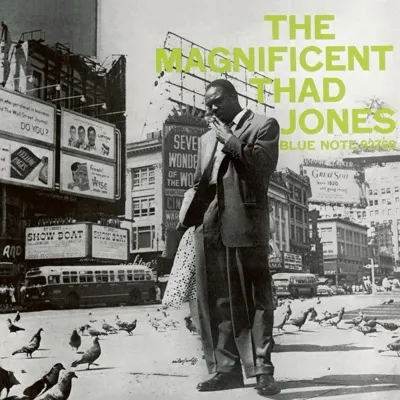
Thad Jones was born in Pontiac, Michigan, in 1923, one of three musical brothers: Hank on piano, Elvin on drums. Leonard Feather, in the original notes, traces him through Detroit combos, the Army, and two years in a band led by Billy Mitchell, then into Count Basie's orchestra in May 1954. In the 1955 Down Beat critics' poll he missed the new-star trumpet award by half a vote. With Basie he split the solos with Joe Newman and rarely got room to stretch. Feather reads the title as Detroit talent meeting the New York record business, and gives Alfred Lion the credit for making it happen.
The date was Tuesday, March 13, 1956, at Audio-Video Studios in New York. Billy Mitchell came on tenor. Tommy Flanagan and Kenny Burrell, two more Detroiters newly settled in New York, played piano and guitar, with Oscar Pettiford on bass and Shadow Wilson on drums. Five tunes made the record, and the take count ran to 30. The day before, in the same room, Burrell had led Flanagan, Pettiford and Wilson with Frank Foster on tenor; that music became Kenny Burrell Volume 2.
Side one starts easy with "Blue Room." Feather has Mitchell, Burrell and Pettiford taking turns before Jones comes in. On "Tariff," which the notes spell "Tarriff," Feather hears grace notes tripping over the tenor's line. Then comes "Little Girl Blue," for just trumpet, guitar and bass. The verse is a waltz, Pettiford bows, Burrell plays chords.
This is ballad jazz of a high order.
Leonard Feather, original liner notes
Side two is two Jones originals. "Scratch" runs over 10 minutes and is Feather's showcase for the leader, long tones set against fast runs. "Zec" goes faster, a bop line in trumpet and tenor unison, with a Flanagan solo Feather singles out.
Thad's symmetry of construction is one of his most telling virtues
Leonard Feather, original liner notes
Nat Hentoff gave it four stars in Down Beat and praised the brassy tone and the playing of Burrell and Flanagan, though he wanted more fire in the solos. Whitney Balliett, in the Saturday Review, heard Jones extending the line of Navarro and Davis.
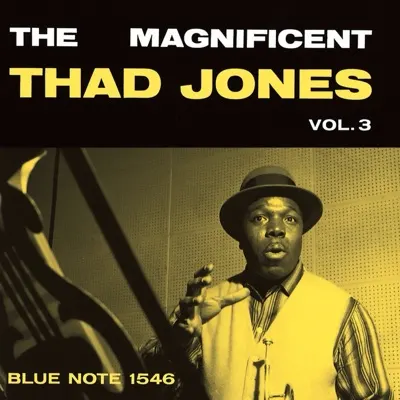
Four months later Jones was back with Mitchell for a quintet date, which became The Magnificent Thad Jones.